If you’ve ever walked through a metal fabrication shop, seen a crisp, burr-free stainless steel part snap into place after a cut, or watched thin aluminum glide into a precise sheet, chances are that part was cut by a fiber laser. As a supplier of fiber laser cutting machines, I talk to customers every week who come in with a vague idea of what they need—they know they want speed and accuracy, but they don’t realize how many types of fiber laser machines exist, and how picking the wrong one can turn a simple project into a costly mistake. I’ve seen small job shops buy a high-power industrial machine that’s overkill for their 16-gauge steel work, and I’ve seen large manufacturers stick with a low-power unit that can’t handle their thick plate orders. The right fiber laser isn’t just a tool—it’s an investment that matches your production volume, material types, and part complexity. Fiber Laser Cutting Machines
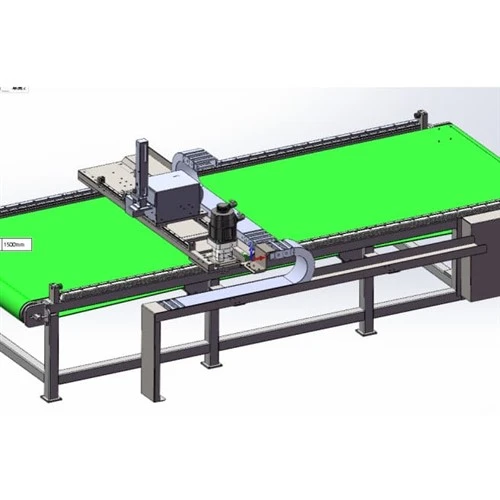
Let’s break down the main types of fiber laser cutting machines, how they work, who they’re built for, and why choosing the right one can make or break your shop. I’ll start with the most common split: how they’re configured by design, then move to categories based on power, and finish with specialized models for niche use cases.
First, the foundational design categories. These are the frames that house the laser, the cutting head, and the motion system, and they determine the machine’s footprint, accuracy, and maximum material size.
The first is the enclosed fiber laser cutting machine. If you’ve ever visited a production facility, this is probably what you saw. These machines are fully enclosed in a metal safety cage, with a sliding door that locks when the laser is active. The enclosure isn’t just for safety—it controls the cutting environment, which keeps fumes, noise, and light contained, and also prevents drafts from disrupting the laser beam. Enclosed models are ideal for high-volume shops because they can run 24/7 without constant supervision, and they often come with automated load/unload systems that can stack raw metal sheets and remove finished parts between cuts. For example, a truck trailer manufacturer running 10-gauge to ½-inch steel parts will use an enclosed machine because it can handle continuous runs, and the enclosure keeps the workspace clean for other employees. The downside? They’re large—most measure 10 by 20 feet for a standard sheet size—and they require dedicated floor space, plus ventilation systems to filter metal fumes.
Next, the open-type fiber laser cutting machine, sometimes called an “open frame” model. These don’t have an enclosure, which makes them smaller, cheaper, and easier to move. They’re perfect for small shops or jobbers that work on small batches of parts, or who don’t have room for a large enclosed unit. A custom metal fabricator who makes one-off decorative steel signs, for example, will love an open-type machine—they can load a 4×8 sheet, cut a part in an hour, then clear the space for a different job the next day. The lack of an enclosure does have tradeoffs, though. Noise is louder, fumes aren’t contained, and the machine can’t run as long unsupervised—you have to stand by to make sure nothing goes wrong. They also have lower maximum power than most enclosed models, so they can’t cut thick plate as quickly.
Another key design type is the fiber laser tube cutting machine. Most people picture fiber lasers cutting flat sheets of metal, but tubes—round, square, rectangular, even irregular profiles—are just as common in fabrication. Tube cutting machines have a specialized chuck system that holds the tube in place, plus a rotary axis that spins the tube so the laser can cut along its length. Some high-end tube cutters can handle multiple tube sizes automatically, and even cut holes, slots, and threads without reconfiguring the machine. A furniture manufacturer making metal chair frames, or a plumbing supply company cutting copper pipe, will use a tube-specific laser instead of a flat-sheet machine, because a flat-sheet unit would require cutting separate flat pieces and bending them into tubes, which adds time and waste. I once worked with a small metal shop that was using a regular flat laser for their tube work, and they were wasting 30% of material because of offcuts—after switching to a tube laser, that waste dropped to less than 5%. That’s a concrete example of how matching the machine to your product makes all the difference.
Now, moving to the power-based categories, which are often the first thing customers ask about: wattage. Fiber laser power ranges from 500W for small thin-sheet jobs up to 15,000W and higher for industrial heavy cutting. Let’s break down what each power level is for.
Low-power fiber lasers, usually 500W to 1500W, are for thin materials up to 1/4-inch thick. Think aluminum foil, stainless steel sheet, brass, or thin copper. These are perfect for hobbyists, small job shops, or businesses that make small parts like electronic enclosures, jewelry, or decorative metal art. A 1000W machine can cut 16-gauge stainless steel at around 50 inches per minute, which is fast enough for small batches. The price point here is also lower—usually between $30,000 and $60,000—so it’s a common entry point for shops just getting into laser cutting. I’ve seen a lot of new fabricators start with a 1000W machine because it’s affordable, and their early work is mostly thin sheet. The catch: if you try to cut 1/2-inch steel with a 1000W machine, it’ll be so slow and the cut quality will be poor—your parts will have dross (that leftover metal crust on the back) that requires hours of grinding to fix. That’s why it’s critical to match power to your maximum material thickness.
Mid-power fiber lasers, 2000W to 6000W, are the workhorses for most general fabrication. This range can handle everything from 14-gauge aluminum up to 1-inch steel, which covers 80% of the typical jobs we see in job shops and mid-sized manufacturing. A 4000W machine can cut 1/2-inch steel at around 150 inches per minute, which is fast enough to keep up with weekly batch orders without being overkill. These machines are also flexible—they can switch between steel, aluminum, brass, and copper easily, and most come with auto-focus heads that adjust the laser height automatically for different material thicknesses, so you don’t have to stop to change settings between cuts. For a shop that does custom brackets, equipment parts, and small structural components, a mid-power machine is the sweet spot. The cost here runs from $60,000 to $150,000, depending on brand and features like automated load/unload.
High-power fiber lasers, 7000W to 15,000W and above, are for heavy industrial work. These can cut steel up to 2 inches thick, stainless steel up to 1 1/2 inches, and even thick aluminum that would melt or burn through at lower power. They’re used by shipyards, heavy equipment manufacturers, steel service centers, and automotive plants that need large structural parts. A 12,000W machine can cut 1-inch steel at over 300 inches per minute, which is 5 times faster than a 4000W machine. The downside? They’re expensive—upward of $200,000, and they use more power, so operating costs are higher. They’re also overkill for most small to mid-sized shops, unless you regularly get orders for thick plate parts. I once had a customer who owned a small shop and bought a 12,000W machine thinking it would make him more efficient, but he only used it for 10% of his jobs. The rest of the time, he was running it on low power, wasting energy and wearing out parts faster. That’s why I always ask customers to list their top 10 materials and maximum thicknesses before recommending a power level.
Now, there are some specialized fiber laser cutting machines for niche applications, which are worth mentioning because they’re not one-size-fits-all.
One of these is the dual-table fiber laser machine. This type has two separate worktables—one is cutting, while the other is being loaded or unloaded with raw material. That means there’s no downtime between jobs: while you’re cutting a sheet of stainless steel, you’re loading a new sheet on the other table, so the machine can keep running 24/7. This is a huge time-saver for high-volume shops. For example, a steel service center that produces custom sheet metal parts for construction will use a dual-table machine to cut hundreds of sheets a day, without stopping to load or unload. The tradeoff is that it’s larger than a single-table machine, and more expensive, so it only makes sense if you’re running a high volume.
Another specialized type is the fiber laser cutting machine for reflective materials. Copper and aluminum are highly reflective, and lower-power lasers can bounce off the material and damage the laser’s optics, leading to expensive repairs. There are specific models with protective optics and high-power beam sources designed to cut reflective metals safely. I always advise customers who work with copper or aluminum to get a machine that’s rated for reflective materials, because skipping that step can lead to a $10,000 repair bill if the optics get damaged.
Then there are compact fiber lasers, sometimes called “desktop” models, for small businesses or hobbyists. These are small enough to fit on a 4×4 foot workspace, and usually have power under 1000W. They’re perfect for small-scale work like custom signs, jewelry, electronic prototypes, or small art pieces. The catch is that they can only cut small sheets, up to 2 feet by 3 feet, so they’re not suitable for large industrial parts.
So, how do you pick the right type for your shop? Let me summarize the key questions I ask every customer: What’s the maximum material thickness you work with? What materials do you cut most often? How many parts do you need to produce per week? Do you cut flat sheets, tubes, or both? And how much floor space can you dedicate?
I’ve been supplying fiber laser cutting machines for over 10 years, and the best advice I can give is to avoid the temptation to buy the biggest, most powerful machine you can afford. If you only cut up to 1/2-inch steel, a 15,000W machine is unnecessary, and you’ll end up paying for power you don’t use. Conversely, if you regularly cut thick plate or run high volumes, a low-power machine will hold you back and make your work slower and more costly.
If you’re in the market for a fiber laser cutting machine, don’t hesitate to reach out for a personalized consultation. We can walk you through your current production needs, match you to the right type and power level, and even show you how our machines have helped other shops increase efficiency and reduce material waste. For businesses looking to upgrade their cutting capabilities, the right fiber laser is more than a purchase—it’s a partnership that grows with your shop.
Fiber Laser Cutting Machines References:
- “Fiber Laser Cutting: Technology and Applications,” Industrial Laser Solutions, 2022.
- “Metal Fabrication Equipment Guide: Fiber Laser Cutters,” Fabricators & Manufacturers Association International, 2023.
- “Power Requirements for Laser Cutting Different Materials,” Laser Institute of America, 2021.
- “Small Business Guide to Industrial Laser Equipment,” U.S. Small Business Administration, Office of Innovation and Technology, 2022.
- “Tube vs. Flat Sheet Laser Cutting: A Comparison,” The Fabricator, 2023.
Yongkang City Bohong Intelligent Equipment Co., Ltd.
As one of the most reliable fiber laser cutting machines manufacturers and suppliers in China, we also support customized service. With abundant experience, we warmly welcome you to buy advanced fiber laser cutting machines from our factory. If you have any enquiry about quotation, please feel free to email us.
Address: No. 176 Yinggui North Road, Chengxi New Area, Yongkang City, Zhejiang Province
E-mail: bohonglasertech@Outlook.com
WebSite: https://www.bohonglasertech.com/
