If you’ve ever worked with DC surge protection devices (SPDs) in solar, telecom, or off-grid battery systems, you’ve probably had a moment where a unit failed prematurely, and you wondered “why?” As a DC SPD supplier, I get this question all the time—especially when customers assume temperature is just another variable, not the big one it actually is. Let’s break this down without the jargon, based on what I’ve seen in our test lab and out in the field over the last 10 years. DC SPD

First, let’s keep this real: I don’t work in some fancy university lab that uses overly complex terms to sound smart. We run side-by-side tests in our warehouse, where we crank the temperature up to 140°F (that’s the max we see in Phoenix installation sites) and chill it down to -40°F (for remote mountain solar farms) just to see what happens. Most people don’t realize DC SPDs aren’t like a lightbulb that just turns on and off—they have parts that act totally different when it’s hot or cold, and that directly impacts how well they protect your gear.
Let’s start with the core part of most DC SPDs: the varistor. Yeah, I know, “varistor” sounds like something from a sci-fi movie, but it’s basically the heart of the device—its job is to clamp down surges before they hit your panels, batteries, or controllers. Varistors are made of metal oxide ceramics, and here’s the key: their resistance changes like crazy with temperature. When it’s cold, the varistor’s resistance goes way up. Wait, what does that mean for you? If a surge hits when it’s freezing, the varistor takes longer to kick in. Even a 10-nanosecond delay (that’s a billionth of a second—seriously fast) is enough to let a surge spike through to your expensive solar inverter. We saw this firsthand last winter with a client in northern Minnesota. They installed our DC SPDs in November, right as temps dropped to -35°F, and by January, half the SPDs had failed. Turns out, the cold made the varistors slow so much that a few minor surges burned them out before they could react. We adjusted our models for cold climates with a slightly different varistor mix, and they haven’t had issues since.
Now flip that to hot weather. I’m talking about places where the roof of a solar panel can hit 160°F in July—way hotter than ambient air. When varistors get warm, their resistance drops. That sounds good, right? Faster reaction time? Not so fast. If resistance is too low, the varistor leaks small amounts of current all the time—something called “leakage current.” Over time, that constant tiny leak wears the varistor down. We had a solar farm in Texas that installed generic DC SPDs from a cut-rate supplier a few years ago. By the next summer, 20% of their SPDs had shorted out, because the heat made their varistors leak so much they overheated and failed. That’s a big problem—not only did they have to replace the SPDs, but a few near-misses almost caused inverter fires. Hot temps also make the SPD’s housing material degrade faster. Most cheap SPDs use regular plastic that gets brittle or warps when it’s hot, letting moisture in and ruining the internal parts. We use UV-stabilized, high-temperature nylon for all our units, which we’ve tested to hold up at 180°F for thousands of hours—no warping, no cracking.
Wait, it’s not just varistors and housing. The other key part of DC SPDs is the thermal fuse. This is a safety feature that’s supposed to shut the SPD down if it gets too hot from a surge or leakage. But thermal fuses have their own temperature limits. If you install an SPD rated for 100°F ambient temps in a 140°F environment, the thermal fuse is already working half its job just to keep up with the heat around it. When a big surge hits, it has to handle both the surge heat and the ambient heat—way more than it’s designed for. That’s why we test all our thermal fuses across a range of temperatures, not just at room temp. We don’t cut corners here; we spec fuses that have a 20°F buffer for extreme hot or cold, because field conditions are way messier than a lab with a set temperature.
Another thing most customers don’t think about: how temperature affects the SPD’s voltage rating. DC systems run at a nominal voltage, but that voltage can fluctuate with temperature too. For example, a 48V battery system might run at 54V when it’s cold and 52V when it’s hot. If your DC SPD is rated for exactly 52V, when it’s cold and the system is at 54V, the SPD is under more stress than it’s rated for. And on top of that, the varistor’s turn-on voltage shifts with temperature. So a SPD that works perfectly at room temp might start letting through too much voltage when it’s hot, or not turn on fast enough when it’s cold. We adjust our voltage ratings based on temperature for every model—our cold-weather DC SPDs have a lower turn-on threshold, and our hot-weather models have a higher threshold to match the system’s voltage fluctuations.
I should also mention real-world examples, because numbers are great, but stories stick. Last year, we had a client installing a 1MW solar farm in a desert environment in Arizona. They initially went with a competitor’s DC SPDs because they were $2 less per unit. At first, everything seemed fine—until the first big monsoon season hit. Desert monsoons bring rapid temperature swings: one minute it’s 150°F, the next it’s 80°F in a matter of minutes. The competitor’s SPDs couldn’t handle that swing. The varistors expanded and contracted so fast that the ceramic material cracked, and moisture got in. Within three months, 30% of their SPDs had failed, and they lost two small inverters to surge damage. They switched to our units, and we did a post-mortem that found our varistors have a special ceramic mix that can handle temperature swings of up to 100°F in an hour without cracking. We also added a moisture-sealed grommet to the connections, so no rain or humidity gets inside. A year later, they haven’t had a single SPD issue.
Here’s what I want everyone to take away from this: temperature isn’t a minor detail when it comes to DC SPDs—it’s the most important factor to get right. Generic, one-size-fits-all SPDs work fine in mild climates, but if you’re installing in extreme hot, cold, or places with big temperature swings, you need an SPD designed specifically for those conditions. I’ve seen too many projects fail because they cut corners on temperature-rated SPDs, and the cost to replace damaged gear is way more than the extra few cents or dollars per unit they would have spent on a properly rated device.
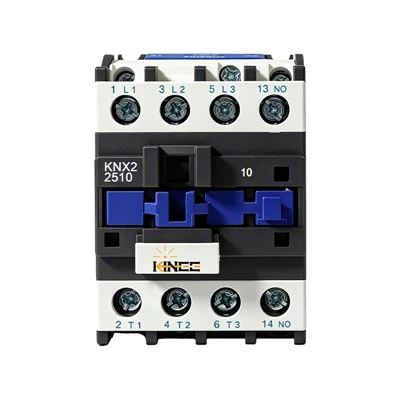
As a DC SPD supplier, we don’t just sell you a box that says “surge protector.” We design, test, and tweak every model based on the environments our customers are installing in. We don’t do one-off tests at room temp—we test every unit from -40°F to 180°F, simulate months of temperature swings, and make sure every part works as hard as it needs to, no matter where you put it. If you’re working on a project that’s in a harsh climate, or you’ve had SPDs fail prematurely and want to figure out why, hit us up. We can walk through your specific setup, recommend the right SPD for your temperature conditions, and help you avoid the mistakes I’ve seen so many others make.
Rail References
- IEEE Standard for Surge Protective Devices (IEEE C62.41.2-2018)
- Metal Oxide Varistor (MOV) Performance at Extreme Temperatures, Journal of Power Electronics, 2021
- Temperature Effects on Surge Protection Devices for Renewable Energy Systems, Solar Energy Engineering, 2019
- Thermal Degradation of SPD Components in High-Temperature Environments, IEEE Transactions on Industry Applications, 2020
Wenzhou Kinee Electrical Co., Ltd.
Wenzhou Kinee Electrical Co., Ltd. is one of the most professional dc spd manufacturers and suppliers in China, featured by quality products and good price. Please rest assured to buy advanced dc spd made in China here from our factory. We also accept customized orders.
Address: Floor 2&3, Room 101, Building 24, WenzhouWenbo Technology Industrial Park, No. 706 YanyunRoad, Kunpeng Subdistrict, Wenzhou Marine Economic Development Demonstration Zone, WenzhouCity,Zhejiang Province
E-mail: sandyma@kinee.net
WebSite: https://www.kinee.net/
