Let’s cut to the chase—small study spaces don’t have to kill productivity. As someone who’s spent the last decade designing and supplying study furniture for apartments, college dorms, and tiny home offices, I’ve lost count of the times customers have shown up ready to buy the biggest, “most sturdy” desk they’ve seen—only to stare at their 8-by-10 room later and realize it’d leave zero room for a chair, a lamp, or even the trash can. Picking a space-saving study desk isn’t just about grabbing the smallest option; it’s about matching the desk’s function to your exact space, your study habits, and the tiny (or not-so-tiny) quirks of the room you’re working with. Study Furniture
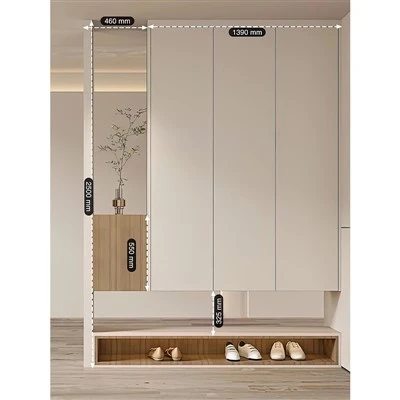
First, stop guessing the dimensions of your room. This sounds basic, but I’ve seen too many people wing it with a tape measure—only to misjudge the clearance they need to open a textbook or pull their chair out. Let’s get specific: take three key measurements before you even browse desks. First, the total width and depth of your study nook (be it a closet, a corner of your bedroom, or a wall by the kitchen). Then, measure how much clearance you need behind where the desk will go—most people forget that if there’s a wall behind, you’ll need at least 6 inches to plug in a laptop charger or a desk lamp, plus another 12 to 18 inches so you can pull your chair out and sit comfortably. If your desk is going against a corner? Subtract a few inches for the base of the desk legs, which often jut out 2 to 3 inches beyond the top surface. I’ve had customers bring in messy handwritten notes that said their “study area is 4 feet wide”—turns out they measured the entire wall, not the corner, so we swapped a 48-inch desk for a 36-inch one and it fit perfectly.
Next, forget the “one-size-fits-all” desk. The best small desks are tailored to how you actually study. If you’re a student who only uses a laptop, takes notes on a phone, and doesn’t need a ton of supplies, a floating wall desk is a game-changer. These are mounted directly to the wall, so they have zero legs taking up floor space—some even fold up flat when you’re done, turning your study nook into a shelf for books. But wait—if you’re someone who needs to spread out textbooks, a notebook, and a mouse, a floating desk might be too narrow. For that, a wall-mounted drop-leaf desk is better: it stays folded against the wall when not in use, and you can drop the leaf down to 36 or 48 inches when you need to work. The key here is to avoid desks with bulky frames, drawer units, or integrated hutch shelves if you don’t need them—those add inches to the footprint, even if the surface is small. I once designed a compact desk for a nursing student in a 5×7 dorm room who needed space for her anatomy textbook and a stethoscope; we skipped the under-desk drawers and added a side-mounted clip for her notebook, so the total width was only 30 inches, but she had all the surface space she needed.
Then there’s the oft-overlooked under-desk space. This is prime real estate that most people waste. A lot of compact desks come with integrated drawer units that stick out from the bottom of the desk, which might seem like a win for storage—but if those drawers are 12 inches deep, they’ll take up 12 extra inches of floor space that you could be using for your legs. Instead, opt for desks with side-mounted storage, like narrow vertical drawers that hang off the side of the desk (they’re only 6 to 8 inches deep, so they don’t cut into your leg room) or desk organizers that attach to the back or side of the desk surface, not under it. Another trick: if you really need under-desk storage, go for a rolling storage cart that fits right under the desk when closed—you can pull it out to get supplies and push it back when you’re done, so it doesn’t take up permanent space. I had a customer in a 100-square-foot studio apartment who used this trick: her rolling cart held her printer, stationery, and textbooks, and when it was pushed under the desk, you couldn’t even tell it was there.
Don’t sleep on the height and mobility, either. A desk that’s too tall or too short can make even a small space feel cramped, and a fixed desk that you can’t move is a pain if you need to rearrange your room for guests or a study group. Adjustable-height compact desks are a lifesaver for tiny spaces—they let you switch between sitting and standing without requiring extra floor space, and most of them have a narrow frame. The key here is to look for ones with a slim base, not a wide, bulky one that would take up extra room when you adjust the height. For people who move often or like to rearrange, a rolling compact desk is perfect—they have lockable wheels, so you can keep them in place while you work, and you can roll them into a closet or under a bed when you’re not using them. Just make sure the wheels are small enough that they don’t add extra inches to the total depth of the desk; I always recommend 2-inch or 3-inch locking wheels for compact desks, anything larger will make the desk stick out too far.
Another common mistake people make is prioritizing style over function. I’ve seen beautiful small desks that look great in a showroom but are completely useless for real study. For example, a round compact desk might look sleek, but it has less surface space than a rectangular desk of the same width—so if you need to spread out your work, a rectangular one is a better pick. Similarly, desks with curved edges might save a tiny bit of space, but they’re harder to fit into corners, which is where most small study spaces are located. At my company, we test every desk in real small spaces before we put them on the market—we’ll put a 36-inch desk in a 36-inch corner nook, have a 5’8” adult sit at it for an hour, and measure how much room is left for a chair. If it’s too tight, we adjust the frame width by 1 or 2 inches, or add a slot for a power strip so we don’t have to build extra space for outlets.
Now, let’s talk about hidden storage that doesn’t take up extra space. The biggest enemy of a small study space is clutter, so your desk should work double duty to hide stuff without taking up extra room. Narrow wall-mounted shelves that fit right above the desk are perfect for storing books, a lamp, or stationery—they don’t add to the desk’s footprint, and they keep clutter off the surface. Another trick: desk tops with a built-in hidden compartment. These are small, usually 6 to 12 inches wide, and they can hold stationery, USB drives, or other small items without needing extra shelves. We’ve also started making compact desks with a built-in slot for a laptop that tilts back, so you don’t need a separate laptop stand, which saves you even more space on the desk surface. For people who use a lot of tech, a compact desk with a cable management system that’s built into the frame is a must—no more messy cords hanging off the desk, which can make a small space feel chaotic and take up extra visual room.
Wait, what if your space is really tiny—like a 3-by-4 nook in a hallway, or a corner of a living room where you can barely fit a chair? For these spaces, the best option isn’t a desk at all—it’s a wall-mounted desk that’s as narrow as 24 inches. We have a model that’s only 24 inches wide and 18 inches deep, which fits perfectly in a narrow hallway nook, and it has a fold-out shelf for a laptop and a small clip for a notebook. For even smaller spaces, we’ve designed desks that attach to the back of a door—they fold out over the room, so they don’t take up any floor space at all. I installed one of these in my own 500-square-foot apartment last year, and it’s been a game-changer; when I’m done working, I fold it back against the door, and it looks like a regular door.
The final thing to consider is your budget. A lot of people think space-saving desks are cheaply made, but that’s not true—there are high-quality, durable options that fit small spaces without breaking the bank. The key is to avoid desks made from particleboard that’s thin and warps easily; instead, look for desks made from solid wood or high-grade MDF that’s thick enough to support your books and laptop. At our company, we offer a range of compact desks, from budget-friendly models under $100 to solid wood ones under $300, so there’s something for every budget.
Here’s the thing: picking a space-saving study desk isn’t about compromising on function or style. It’s about thinking critically about your space, your study habits, and how you use that room. You don’t need a giant desk to be productive—you just need a desk that fits your space, not the other way around. If you’re struggling to find a desk that works for your tiny study nook, our team has helped hundreds of customers customize desks to fit their exact spaces, from dorms to studio apartments. Whether you need a floating desk for a corner, a drop-leaf desk for a hallway, or a rolling desk that fits under a bed, we can help you find the right solution.
If you’re ready to stop guessing and find a desk that fits your space perfectly, reach out to our team to discuss your study furniture needs. We’ll help you measure your space, pick the right desk for your habits, and make sure it fits exactly where you need it. No more settling for desks that are too big, or cluttering up your tiny room—we’ll help you create a study space that works for you.
Living Room Furniture References:
- Small Space Living Institute. (2022). Optimal Dimensioning of Compact Workstations for Residential and Educational Spaces.
- Furniture Design Journal. (2021). Space-Saving Solutions for Home and Academic Study Furniture.
- ergonomics Research Center. (2020). Clearance Requirements for Compact Study Desks in Tight Spaces.
- Residential Storage and Space Planning Association. (2023). Best Practices for Under-Desk and Vertical Storage in Small Study Areas.
Wenzhou Mu Jia Furniture Co., Ltd.
As one of the most professional study furniture manufacturers in China, we’re featured by quality products and low price. Please rest assured to buy cheap study furniture in stock here and get free sample from our factory. We also accept customized orders.
Address: 4th Floor, Building 1, Oufei Intelligent Manufacturing Base, Yongxing Subdistrict, Longwan District, Wenzhou City, Zhejiang Province
E-mail: tao850322@163.com
WebSite: https://www.cnmujia.com/
