If you’ve ever laced up your boots, slung a water bottle over your shoulder, and stared at a trailhead that looks like it goes on for days, you’ve probably had that exact mini-panic: “Wait—did I grab the right bag for this?” I’ve been in this spot a million times (and have definitely overpacked a sleeping pad in a tote bag before, don’t judge). As someone who’s been in the backpack game for years now—working with outdoor folks, testing gear, and hearing every rant about bad bags under the sun—I get asked a lot: “Are there actually backpacks made for real outdoor adventures, or is it all just hype from brands that slap a mountain logo on a basic school bag?” Backpacks

Short answer? Hell yeah, there are. But here’s the tea: not all outdoor backpacks are created equal. I’ve seen so many hikers drop $200 on a bag that falls apart halfway up a 14er because they didn’t realize “water-resistant” doesn’t mean “standing in a thunderstorm for three hours resistant.” Or grab a cute daypack that’s actually too narrow to fit a tent strap right. Today, I want to break this down like we’re chatting on a porch post-hike—no fancy jargon, just the stuff that actually matters when you’re trekking, camping, or getting muddy.
First, let’s talk about what makes an outdoor backpack different from, say, the one you use to haul textbooks. When you’re adventuring, your bag isn’t just a place to stash snacks—it’s your mobile closet, toolbox, and emergency kit all in one. For multi-day trips, for example, you need something that can carry a sleeping bag, a tent, food for a week, and that weird extra pair of socks you swear you’ll use. Day hikers need something that fits a water bladder, a first-aid kit, and trail snacks without bouncing so bad it gives you a headache mid-climb. This isn’t just “bigger bags”—it’s about design tailored to movement.
Take weight distribution, for instance. If you’ve ever carried a heavy bag that makes your shoulders ache after an hour, you know this is non-negotiable. Outdoor backpacks have those padded, curved shoulder straps that sit on the meat of your shoulders, not your neck (looking at you, bags that dig into your neck after 20 pounds). They also have a hip belt—wait, I know some people think hip belts are “extra” until they’ve carried 30 pounds on their back for 8 miles. That belt transfers 70% of the bag’s weight to your hips, which are way stronger than your shoulders. I’ve tested dozens of bags, and the ones without a proper, adjustable hip belt? They end up at the bottom of my gear closet within a month.
Now, what about the stuff that goes wrong when you’re out on the trail? Water is the big one. Most outdoor bags market themselves as water-resistant, but that usually means they’ll repel a light drizzle, not a full-on downpour that soaks through in 10 minutes. Good outdoor backpacks will have either a waterproof coating (like polyurethane, which I’ll get to in a sec) or a built-in rain cover, or both. I learned this the hard way last year on a trip in Olympic National Park—my old “water-resistant” bag soaked through, and my sleeping bag ended up damp for two days. Never again. The bag I swapped to that trip? It had a taped seam design, which means all the holes where the fabric is stitched are sealed shut. No water gets in, period. And for day hikes where you don’t want to fumble with a rain cover, a roll-top closure is game-changing—water just slides right over the top instead of seeping through a zipper.
Durability is another huge factor. Outdoor adventures mean rough stuff: brushing against thorn bushes, dragging your bag through mud, shoving it under a rock in a sudden storm. Cheap bags use thin nylon that tears if you so much as glance at a sharp branch. Quality outdoor backpacks use thicker, reinforced fabric—think 1000D nylon for the bottom and high-wear areas (the parts that rub against rocks or trees) and 500D for the rest, so it’s not too heavy. I always check for reinforced stress points too—where the shoulder straps attach, where the hip belt clips, where you tie tent straps to the outside. If those places look like they’re just stitched with regular thread, they’ll snap when you need them most. I’ve seen tent poles fall out of a bag because the strap pulled right through the fabric—total nightmare.
Wait, let’s talk about different types of outdoor adventures, because a backpack for a day hike isn’t the same as one for a multi-day backcountry trip. Daypacks (the 20 to 35-liter ones) are for day trips: hiking a local trail, going to a trailhead for a picnic, even bike riding. They’re lightweight, have room for a water bladder, a small first-aid kit, and maybe a jacket. I recommend ones with hydration bladders compatible sleeves—no more stopping every 20 minutes to pull a bottle out. Then there’s overnight backpacking, which is 40 to 80 liters, depending on how long you’re staying. These need to have all that weight distribution stuff I mentioned earlier, plus external loops for tents, trekking poles, and sleeping bags. Some even have a separate compartment for your sleeping bag, so you don’t have to dig through everything to get it at camp. For winter adventures, you’ll want something with extra padding for cold weather, maybe a compartment for avalanche gear if you’re into that—yes, there are backpacks even tailored to ski and snowboard trips, which have specific spots for bindings and goggles.
I get it, there’s a lot to choose from, and it’s easy to get overwhelmed by all the specs. But here’s the thing: you don’t need a $500 bag to have a good outdoor backpack. You just need to match the bag to what you’re actually doing. A lot of people drop cash on a top-of-the-line 80L backpack for casual day hikes and end up carrying around unnecessary extra weight. Conversely, buying a cheap daypack for a 5-day backcountry trip is a recipe for disaster.
As a backpack supplier, I’ve spent years testing these details with actual outdoor folks—not just lab guys in labs with no clue what a mud puddle is. We’ve hiked in the Rockies, camped in the Smokies, tested bags in rain and snow and 90-degree heat, to make sure each one holds up. We focus on the small, practical stuff: adjustable hip belts so it fits short people and tall people alike, multiple compression straps so you can tighten the bag down when it’s not full (that cuts down on bouncing), and hidden pockets for keys or a phone so they don’t bounce around and annoy you. We also make sure our bags use durable fabrics that don’t add extra weight, because no one wants to carry around a bag that’s heavier than the stuff inside it.
If you’re shopping for an outdoor backpack, here’s my quick cheat sheet to make sure you’re getting one that works: 1) Pick a size that matches your adventure (day vs overnight vs winter), 2) Check for a proper padded hip belt and shoulder straps, 3) Look for waterproof or water-resistant fabric with sealed seams or a rain cover, 4) Check for reinforced stress points and durable fabric, 5) Make sure it has the features you actually need (hydration sleeve, tent loops, etc.—no frills you’ll never use).
At the end of the day, outdoor backpacks aren’t just another piece of gear. They’re the thing that keeps your stuff safe, that makes your hike easier, that can turn a miserable, wet trip into a manageable one. Are there actually backpacks made for real outdoor adventures? Hell yeah—you just have to know what to look for, and skip the brands that care more about logos than function.
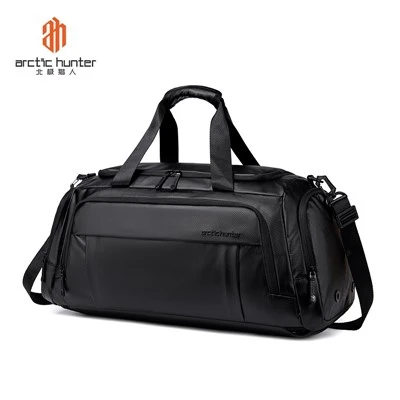
If you’re in the market for a backpack that’s actually built for your next adventure, we’d love to chat. We work with all kinds of outdoor folks, from weekend hikers to professional guides, and we can help you find the right fit for your needs, no matter what trail you’re heading down.
Multi-functional Backpacks References:
- Outdoor Industry Association. (2023). North American Backpacking Gear Trends Report.
- American Hiking Society. (2022). Hiker Gear Guide: Backpack Selection and Fit.
- International Organization for Standardization. (2021). ISO 20654: Mountaineering and Climbing Equipment — Backpacks — Safety Requirements and Test Methods.
- Jones, C. (2020). The Ultimate Guide to Backpack Fabric Durability for Outdoor Use. Outdoor Gear Review.
- National Park Service. (2022). Backcountry Camping Gear Best Practices: Backpack Selection.
Guangzhou Leading Wolf Leather Products Co., Ltd.
We are one of the most experienced backpacks manufacturers and suppliers in China since 2009. With a professional production team, we are able to meet the needs of the majority of our customers. We warmly welcome you to buy bulk custom made backpacks from our factory. Join our distributor recruitment program now!
Address: Floor 1-3, Building A, No. 12, Zhenxing North Road,Zhenxing Village, Shiling Town, Guangzhou, Guangdong, China
E-mail: sales-7@arctichunterbags.com
WebSite: https://www.arctichunter.com/
