Hey there! I’m a supplier in the hydraulic hose game, and over the years, I’ve seen my fair share of hose problems. Dealing with hydraulic hose issues can be a real pain, but don’t worry. I’m here to walk you through how to troubleshoot these problems like a pro. Hydraulic Hose
Understanding the Basics of Hydraulic Hoses
First things first, let’s quickly talk about what hydraulic hoses are and what they do. Hydraulic hoses are an essential part of any hydraulic system. They’re the pipes that carry high – pressure fluid from one part of the system to another. You’ll find them in all sorts of machines, from construction equipment like excavators and bulldozers to industrial machinery in factories.
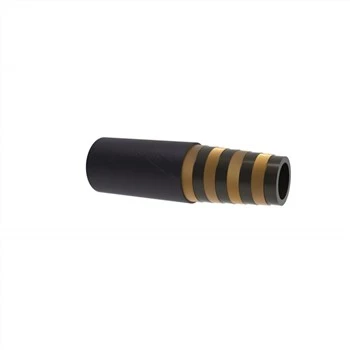
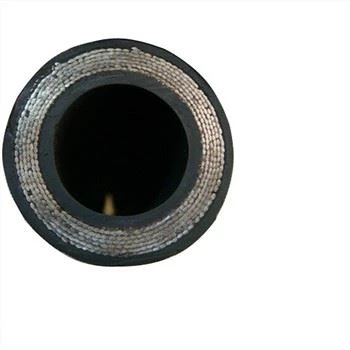
These hoses are usually made up of an inner tube that’s resistant to the hydraulic fluid, a layer of reinforcement (like braided wire or spiral – wound wire) to handle the pressure, and an outer cover to protect against abrasion, weather, and other environmental factors.
Common Hydraulic Hose Problems and How to Spot Them
Leaks
Leaks are probably the most common problem you’ll encounter with hydraulic hoses. They can be a real headache because not only do they waste hydraulic fluid, but they can also lead to a loss of system pressure, which means your machine might not work as well as it should.
How can you spot a leak? Well, the most obvious sign is seeing fluid dripping or spraying from the hose. Sometimes, though, the leak might be small, and you’ll only notice a wet spot or a film of oil on the hose or the surrounding area. You might also hear a hissing sound, which could indicate a high – pressure leak.
If you suspect a leak, start by visually inspecting the hose. Look for any signs of damage, like cuts, abrasions, or bulges. Check the fittings at both ends of the hose, too, as leaks often occur at these connections.
Abrasion
Abrasion happens when the outer cover of the hose rubs against something, like another hose, a metal surface, or even the ground. Over time, this can wear away the outer cover and expose the reinforcement layer.
To check for abrasion, look for areas on the hose where the outer cover is thin or missing. You might also see frayed wires if the reinforcement layer has been damaged. If you find abrasion, it’s important to address it quickly because once the reinforcement is exposed, the hose is more likely to fail.
Bulges and Blisters
Bulges and blisters on a hydraulic hose are a serious red flag. They usually indicate that the inner tube of the hose has failed, and the hydraulic fluid is pushing through the reinforcement layer. This can happen due to high – pressure surges in the system, improper installation, or using a hose that’s not rated for the application.
When inspecting for bulges and blisters, run your hands along the hose. You should be able to feel any abnormal bumps or swelling. If you find a bulge or blister, don’t use the hose. It needs to be replaced immediately to avoid a catastrophic failure.
Fitting Issues
Problems with the fittings can also cause hydraulic hose problems. Loose fittings can lead to leaks, while damaged or corroded fittings might not provide a proper seal.
Check the fittings for tightness by trying to wiggle them gently. If they move, they’re probably loose and need to be tightened. Look for signs of corrosion, like rust or a white powdery substance on the fittings. Corroded fittings might need to be replaced.
Troubleshooting Step – by – Step
Step 1: Isolate the Problem
The first thing you need to do when you suspect a hydraulic hose problem is to isolate the problem area. Shut down the hydraulic system and relieve the pressure. This will help prevent any further damage and make it safer for you to work on the system.
Once the pressure is relieved, visually inspect all the hoses in the system. Start with the hoses that are closest to the problem area, like where you noticed a leak or a loss of pressure.
Step 2: Inspect the Hose
As we mentioned earlier, look for any signs of damage on the hose, including leaks, abrasion, bulges, and blisters. Pay close attention to the areas around the fittings, as these are common trouble spots.
If you’re having trouble finding the source of a leak, you can use a piece of paper or a clean cloth to wipe down the hose. This can help you see where the fluid is coming from more clearly.
Step 3: Check the Fittings
Inspect the fittings at both ends of the hose. Make sure they’re tight and free of damage or corrosion. If a fitting is loose, use the appropriate tools to tighten it. If it’s damaged or corroded, you’ll need to replace it.
Be careful when tightening the fittings. Over – tightening can damage the hose or the fitting, while under – tightening can cause leaks. Follow the manufacturer’s specifications for the correct torque values.
Step 4: Test the Hose
Once you’ve inspected the hose and the fittings and made any necessary repairs or replacements, it’s time to test the hose. Re – pressurize the hydraulic system slowly and carefully. Watch for any signs of leaks or other problems.
If everything seems to be working okay, let the system run for a few minutes and then check the hose again. Sometimes, a problem might not show up right away, so it’s important to do a thorough test.
Preventing Hydraulic Hose Problems
Of course, the best way to deal with hydraulic hose problems is to prevent them from happening in the first place. Here are some tips to help you keep your hydraulic hoses in good condition:
- Proper Installation: Make sure the hoses are installed correctly. This includes using the right fittings, routing the hoses properly to avoid kinking or abrasion, and following the manufacturer’s installation instructions.
- Regular Inspections: Set up a regular inspection schedule for your hydraulic hoses. Check them for signs of wear and tear, and replace any hoses that are damaged or nearing the end of their service life.
- Use the Right Hoses: Make sure you’re using hoses that are rated for the specific application. Using the wrong hose can lead to premature failure.
- Maintain the Hydraulic System: Keep the hydraulic system clean and well – maintained. This includes changing the hydraulic fluid regularly, replacing the filters, and checking the system pressure.
Why Choose Our Hydraulic Hoses
If you’re in the market for high – quality hydraulic hoses, look no further. We’ve been in the business for years, and we know what it takes to provide reliable hoses that can stand up to the toughest conditions.
Our hoses are made from the best materials and are manufactured to the highest standards. We offer a wide range of hoses to suit different applications, and our team of experts can help you choose the right hose for your needs.
Whether you’re a small business owner or part of a large industrial company, we’ve got you covered. We’re committed to providing excellent customer service, and we’ll work with you to make sure you’re satisfied with your purchase.
Silicone Hose If you’re having trouble with your hydraulic hoses or you’re looking to replace them, don’t hesitate to reach out. We’re here to help you troubleshoot any problems and find the right solution for your hydraulic system. Contact us today to start a conversation about your procurement needs. We’re eager to work with you and provide you with the best hydraulic hoses on the market.
References
- "Hydraulic Systems and Components Handbook"
- "Maintenance Guide for Hydraulic Equipment"
Hebei Qianli Rubber Products Co., Ltd.
As one of the most professional hydraulic hose manufacturers and suppliers in China, we have world-leading production equipment and strong manufacturing capabilities. Please feel free to buy bulk durable hydraulic hose made in China here from our factory.
Address: West industrial Zone, Jing County, Hengshui City, Hebei Province, China.
E-mail: manager@hebeiqianli.com
WebSite: https://www.qianlirubber.com/
