When I first started working in rigid box manufacturing over a decade ago, I used to mix up the terms “rigid box” and “setup box” all the time. A customer would call asking for a setup box for their new product launch, and I’d send a quote for a rigid box—only to get an email back saying we weren’t on the same page. That confusion taught me that while these two boxes look similar at first glance, they’re built for totally different needs, and getting the details right can make or break a product’s first impression (and a customer’s trust). Over the years, I’ve spoken to hundreds of brand owners, graphic designers, and e-commerce managers who also mix these terms, so I wanted to break down the real differences here, straight from the supplier’s side. Rigid Boxes
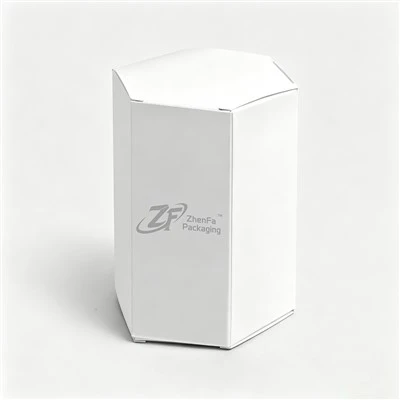
Let’s start with the basics of how both are made, because that’s where the biggest gap starts. A rigid box—what we supply every day for premium goods—starts with a thick, sturdy base, usually 12pt to 28pt cardboard or corrugated fiberboard for heavy-duty applications. The process is straightforward: we cut the cardboard into custom shapes for the bottom and top (or lid and base, as we call them), then wrap them in a choice of paper, fabric, leather, or even metal. The key step here is that all the edges are glued and pressed under high pressure until the material cures perfectly, so the box holds its shape forever. Once it’s assembled, it’s done—no extra work needed before shipping.
A setup box, on the other hand, isn’t assembled at the factory. It’s shipped flat, as a kit that you put together at your facility. The core material is thinner—usually 10pt to 18pt cardboard—and the sides are pre-folded, scored, and glued along the edges, but only enough to keep the pieces from bending out of shape when folded. When someone orders a setup box, we send them a flat, cut-out sheet of cardboard, the lid base, and sometimes glue sticks or instructions, and they fold the tabs together to form a box once it arrives. That might sound like a small detail, but it changes everything about how the box is used.
Now let’s talk about durability. Rigid boxes are built to last. We make them to withstand shipping, repeated opening and closing, and being displayed on shelves for months or even years. I recently supplied a set of rigid wine boxes for a small vineyard that hosts monthly wine tastings; those boxes get carried in and out of trunks, opened and closed dozens of times a month, and they’ve held up perfectly for three years. The thick cardboard and cured glue mean they don’t bend, warp, or collapse if something heavy is placed on top.
Setup boxes are not nearly as durable. They’re designed for one-time use or short-term storage, because the thin cardboard and partially glued edges don’t stand up to repeated stress. I once worked with a non-profit that ordered setup boxes for a holiday gift drive; they folded them in their warehouse, filled them with toys, and shipped them to families. Most of them arrived in perfect shape, but a few that were handled roughly by shipping carriers had edges that split or sides that caved in. If that same non-profit had used rigid boxes, those issues would have been almost non-existent, but the setup boxes were perfect for their temporary, one-time need.
Price is another big difference, and it’s one that comes up in almost every client call I take. Because rigid boxes require thicker materials, custom cutting, pressing, and final assembly at our factory, they cost more upfront than setup boxes. That’s why you’ll see rigid boxes on luxury goods: high-end watches, premium chocolate, designer apparel, or limited-edition collectibles. The price tag signals quality to customers, and the box itself adds to the perceived value of the product. For example, when I was working with a skincare brand that launched a new line of face serums, they chose rigid boxes because they wanted customers to feel like they were buying something special—not just a random bottle in a flimsy box.
Setup boxes are much cheaper per unit, which is why they’re popular for things like retail merchandise, sample kits, product shipments where the packaging isn’t the main selling point, or seasonal promotions. A small business selling custom stickers might use setup boxes to ship orders, because the stickers are the focus, not the packaging, and they don’t want to spend extra on a rigid box that’s more than the product itself. But here’s the catch: the low cost comes with trade-offs in quality. If that sticker business ever grows and starts selling premium, limited-edition sticker sets, switching to rigid boxes would be a wise investment to make their products stand out.
Wait, but can they be used for the same things? Sometimes, but it depends on the goal. Let’s talk about display and branding, which is where the difference is most obvious. Rigid boxes have a solid, sharp shape that looks polished on a store shelf. You can print high-quality graphics, emboss a logo, add a foil stamp, or even attach a ribbon for a luxury touch, and the box will hold that design perfectly. I worked with a watch brand that wanted each box to have a raised logo, so we did a foil stamp on the rigid box lid, and when the boxes arrived at the store, they looked so good that customers would ask to keep the boxes even after they bought the watch.
Setup boxes can be printed too, but the thinner cardboard means that any embossing or foil stamping will look less crisp, and over time, the box might bend and distort the design. They’re also harder to customize with extra features like magnetic closures or insert trays—wait, actually, let’s mention inserts! Inserts are a big part of rigid boxes. Because the box is a fixed shape, we can cut custom foam, cardboard, or plastic inserts to hold the product securely. That’s critical for fragile items like wine glasses, jewelry, or electronics, because it prevents damage during shipping. Setup boxes rarely have custom inserts, because folding the box after adding an insert is hard and can break the thin edges.
Shipping and storage are two more factors that clients often overlook. If you’re ordering a large quantity of boxes, shipping setup boxes is way cheaper, because they’re flat and take up 70-80% less space than assembled rigid boxes. That’s a huge cost saver for small businesses or brands ordering thousands of units for a holiday sale. But if you need the boxes right away, you have to account for the time it takes to fold them. A client might order 5,000 setup boxes, and it could take their warehouse team a week or more to fold them all. With rigid boxes, we assemble them at our factory and ship them ready to use, so that lead time is already factored in.
Let me share a real example from a client last year. A craft chocolate company reached out to me saying they’d used setup boxes for years, but their sales were plateauing because customers were buying competitors’ chocolate that came in rigid boxes. They told me setup boxes were cheaper, so they thought they’d stick with them, but they noticed that when shoppers picked up both their product and a competitor’s, the competitor’s box felt more premium and stayed in their cart longer. We worked with them to design custom rigid boxes with a window so customers could see the chocolate inside, a magnetic closure, and a printed insert to hold each chocolate piece in place. Their sales went up 35% in the first quarter after launching the new rigid boxes, and they even got requests for branded rigid boxes to use for their holiday gift sets. That’s when it hit me: the difference between rigid and setup boxes isn’t just technical—it’s about how your brand is perceived.
Another common question I get: can I get a box that’s in between? Like, is there a middle ground? Sometimes, but for most needs, the line is pretty clear. If you’re packaging a high-value product, need a box that will last, want custom branding, or need inserts for fragile items, rigid boxes are the way to go. If you need a low-cost box for one-time use, shipping bulk small items, or temporary promotions, setup boxes work perfectly.
I’ve also had clients try to cut corners by ordering setup boxes and using them like rigid boxes, and it almost always backfires. Last year, a startup that sold premium portable speakers ordered setup boxes because they thought they were cheaper, but when they received their first large shipment of speakers, a third of the boxes arrived with bent edges and crushed sides. They had to rush re-orders from us, which cost them more in rush fees than if they’d ordered rigid boxes in the first place. That’s why I always tell new clients to think about three things before choosing: what’s the value of my product, how will it be used, and how long do I need the packaging to last?
At the end of the day, both boxes serve important purposes in packaging, but they’re not interchangeable. As someone who’s been supplying rigid boxes for over a decade, I’ve seen firsthand how the right box can turn a good product into a great brand experience. Whether you’re launching a new luxury line, restocking holiday inventory, or just need a reliable shipping box, it helps to know the difference so you don’t waste money on the wrong option.

If you’re not sure which box is right for your needs, I’d love to chat. I can walk you through material options, lead times, and pricing, and help you pick a solution that fits both your product and your budget. Don’t hesitate to reach out to discuss your next project.
Lock Bottom Boxes References
Printing Industries of America. (2021). Rigid vs. Setup Boxes: A Guide to Packaging Durability and Cost. PIA Technical Report.
Packaging Digest. (2022). Premium Packaging Trends: How Rigid Boxes Drive Brand Perception. Packaging Digest Industry Analysis.
Smith, J. (2020). Small Business Packaging: Balancing Cost and Quality. Small Business Packaging Association Journal.
Wenzhou Zhenfa Packaging Co., Ltd.
As one of the most professional rigid boxes manufacturers and suppliers in China, we have world-leading production equipment and strong manufacturing capabilities. Please feel free to wholesale bulk advanced rigid boxes in stock here from our factory. Also, quotation is available.
Address: Room 105, Building 10, Century Science and Technology Entrepreneurship Park, Longgang City, Wenzhou City, Zhejiang Province
E-mail: ZhenfaPackaging@outlook.com
WebSite: https://www.cnzhenfa.com/
