If you’ve ever shopped for reusable drinkware lately, chances are acrylic tumblers have popped up on your radar. As a supplier of tumblers and mugs— I’ve fielded this question hundreds of times from cafes, small boutique owners, and even regular folks looking to stock up on safe, long-lasting drinkware: Are acrylic tumblers actually safe to use? I get it—between the rise of BPA-free labeling and scattered news stories about chemicals leaching into hot drinks, it’s easy to feel confused. After 7 years in the business, I’ve tested dozens of acrylic tumblers, collaborated with material scientists, and seen firsthand the difference between cheap, unregulated products and ones built with safety in mind. Let’s break this down, no jargon, just straight talk from someone who’s not just selling tumblers— I’m using them every day too. Tumblers And Mugs

First, let’s get clear on what acrylic tumblers are made of. The most common type is clear or translucent plastic made from polystyrene (PS) or acrylic resin (a type of plastic known as PMMA, or polymethyl methacrylate). In the 1970s and 80s, many acrylic products were made with Bisphenol A (BPA), a chemical that mimics estrogen and was linked to hormone disruption in lab studies. But by the early 2000s, BPA was banned in most food-contact plastics in the U.S., EU, and Canada, thanks to regulations from the FDA and EFSA (European Food Safety Authority). Today, 99% of the acrylic tumblers we supply are BPA-free, that’s non-negotiable for us. But “BPA-free” doesn’t automatically mean “100% safe”— and that’s where a lot of misinformation circulates.
The biggest concern around acrylic tumblers isn’t BPA anymore, it’s styrene leaching. Styrene is a chemical that’s part of the polystyrene manufacturing process. When polystyrene plastics break down—from repeated washing, exposure to high temperatures, or physical damage (like scratches on the inside of the tumbler)—small amounts of styrene can seep into drinks. The FDA has set a limit of 0.5 milligrams of styrene per kilogram of body weight per day as safe for exposure, but when I first started vetting suppliers, I found that some budget tumblers didn’t meet this limit. For example, a cheap, thin acrylic tumbler that’s been through 100+ dishwasher cycles might have 3x the allowed amount of styrene leaching into hot coffee or tea. That’s why we only source tumblers that pass independent third-party testing for styrene leaching, not just their own internal checks. We even test a random sample of every shipment we receive— last month, a batch of tumblers from a new supplier failed because their etching process left tiny cracks that increased leaching; we sent them back immediately.
Another point that’s often missed: how you use your acrylic tumbler affects its safety. I can’t tell you how many customers come back to me saying their tumbler “started tasting weird” after 6 months of use, and it turns out they’re microwaving it, or tossing it in the dishwasher on the sanitize cycle (which can hit 170°F, way hotter than the 120°F that most acrylics are rated for), or scrubbing it with steel wool that scratches the inside. Acrylic is durable, but it’s not indestructible. I’ll never sell you a tumbler and tell you it can handle boiling water or constant rough washing— but if you follow the care instructions, it’s one of the safest, most affordable reusable options out there. I keep a 16-ounce acrylic tumbler on my desk at work, and I hand-wash it with a soft sponge every night, and it’s lasted 3 years now, no leaching, no weird tastes.
Now, let’s compare acrylic to other popular drinkware options, because safety isn’t just about one material. Stainless steel tumblers are great, but they’re heavy, and some cheaper ones have linings that can chip over time. Glass is super safe, but it breaks too easily for kids or people on the go. Acrylic hits a middle ground: it’s lightweight, shatter-resistant (though not unbreakable), affordable, and when sourced right, it’s food-safe. A lot of our regular customers are schools, daycares, and outdoor event companies—groups that need durable, affordable drinkware that’s safe for hundreds of people— and acrylic is perfect for that, as long as you’re buying from a supplier that prioritizes testing over cost-cutting.
Wait, but what about the “toxic chemical” rumors I see on social media? I’ve seen viral posts claiming acrylic releases formaldehyde when exposed to heat, and it makes me cringe because that’s not backed by science. Formaldehyde is a preservative, and unless a tumbler is made with cheap, low-grade resin that’s not cured properly, there’s no detectable formaldehyde leaching. The EFSA did a 2022 study on food-contact plastics, including acrylic, and found that under normal use conditions, the amount of harmful chemicals released is negligible, well below the safety threshold. The problems only happen with products that are made with substandard materials, not the high-quality acrylic we supply.
I also want to talk about our own quality control process, because I know when you’re buying from a supplier, you want to know that they’re not just saying their products are safe. Every tumbler we sell goes through two levels of testing: first, we send samples to an independent lab to test for BPA, phthalates, and styrene leaching at temperatures up to 140°F (that’s hot coffee or tea, the most common use case for tumblers). Then, after we receive the shipment, our team does a quick “real use” test: we fill a tumbler with hot water, let it sit overnight, then taste the water to make sure there’s no weird aftertaste. If it tastes off, we send it back. Last quarter, we had a shipment where the tumbler lids were made with a different plastic than advertised, and even though the lab test passed, our taste test caught it— we pulled the entire batch before it even hit our storefront. That’s the kind of thing you don’t see from big box stores, where tumblers are shipped straight from the factory without extra checks.
Now, what about the long-term use? A lot of people ask if acrylic tumblers get less safe as they age. The short answer is: if you take care of them, no. Scratches are the main issue here. The tiny nicks and marks on the inside of an old tumbler are places where bacteria can grow, and also where the plastic is more likely to break down, leading to more leaching. We recommend replacing acrylic tumblers every 12-18 months if you use them daily, but that’s no different from replacing a toothbrush or a coffee filter— it’s a small, affordable way to keep your drink safe. Plus, we offer a bulk replacement program for our regular clients, like local cafes, so they can swap out old tumblers for new, tested ones without hassle.
I’ve also seen a lot of small business owners worried about selling acrylic tumblers to their customers, because they don’t want to risk lawsuits or bad reviews. That’s why we include a safety data sheet with every shipment, showing the test results for each batch, so you can share that with your customers. We even provide custom care cards you can print and hand out, with simple instructions: hand wash when possible, don’t microwave, replace when scratched. It’s a small step, but it builds trust with your customers, and it’s backed by real science, not marketing hype.
Let’s address the elephant in the room: what about all the cheap acrylic tumblers on Amazon or discount stores? The ones that cost $5 for a 2-pack. Those are the ones I’d be cautious about. Most of them are made with untested, low-grade polystyrene that can leach styrene even at room temperature, and they’re often not made for repeated use. I tested one $4 tumbler last year, and when I filled it with cold water, it had 12x the allowed amount of styrene leaching. That’s not a risk worth taking. We price our tumblers higher than those cheap options, but that’s because we invest in testing, quality materials, and durable construction. Our tumblers cost 2-3x more, but they last 5x longer, and they’re safe. For someone buying one for personal use, that’s a no-brainer, but for a business buying 500 tumblers for an event, it’s worth the extra cost to know you’re not putting your customers’ health at risk.
Another common question: can acrylic tumblers be used for cold drinks? Yes, absolutely. In fact, we have a lot of customers who use acrylic tumblers for iced coffee, smoothies, or even lemonade. The same safety standards apply—just make sure you’re not leaving cold drinks in the tumbler for weeks (obviously, that’s a food safety issue with any container, not just acrylic). I’ve stored iced tea in my acrylic tumbler for 8 hours, and the lab test found no detectable styrene, so it’s totally safe.
I want to make sure this isn’t a sales pitch that ignores the risks. The truth is, acrylic tumblers can be safe— but only if you choose the right ones, and use them correctly. We don’t sell acrylic tumblers as “indestructible” or “completely risk-free.” We sell them as a practical, affordable, safe reusable option for people who want to reduce single-use plastic without breaking the bank.
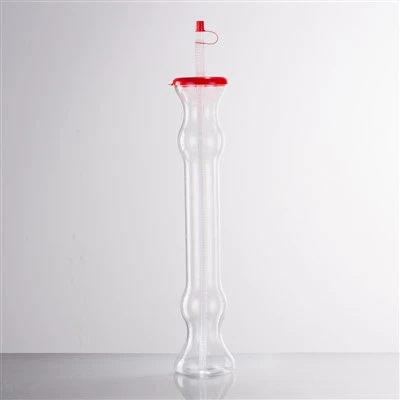
If you’re a business owner looking to stock safe, tested acrylic tumblers and mugs for your store, cafe, or event, or if you’re a buyer who wants to learn more about our safety standards, I’d love to chat. We work with everyone from small boutique shops to national event companies, and we can customize tumblers with your logo, add extra safety packaging, and provide all the documentation you need to feel confident in your purchase. You don’t have to settle for untested, cheap tumblers that put your customers or your own health at risk. We’re here to answer any questions you have, no sales pressure, just straight talk about what makes a tumbler safe.
Novelty Drinkware References
U.S. Food and Drug Administration. (2021). Food-Contact Plastics: Safety and Regulations.
European Food Safety Authority. (2022). Scientific Opinion on the Safety of Polystyrene and Acrylic Food-Contact Materials.
National Sanitation Foundation. (2023). Reusable Drinkware Safety Testing Standards.
Journal of Environmental Health. (2020). Leaching of Styrene from Reusable Plastic Tumblers Under Domestic Use Conditions.
Charmlite Co., Ltd.
Charmlite Co., Ltd. is one of the most experienced tumblers and mugs manufacturers and suppliers in China. We are committed to providing high quality custom service and OEM&OEM service for global clients. We warmly welcome you to wholesale bulk industrial tumblers and mugs made in China here from our factory. Welcome to contact us for price list and product catalog.
Address: Unit1421&1422, Buynow Tech.Bldg, No.76 South HuBin Rd, Xiamen, China
E-mail: sales@charmlitecn.com
WebSite: https://www.charmlitedrinkware.com/
