Hey, if you’re reading this, chances are you’ve walked past your facility’s cooling tower one too many times, cringing at that high-pitched, nonstop racket that makes lunch breaks unbearable or even makes your team ask if something’s actually broken (spoiler: it’s probably just noisy—fixable noisy). Full transparency here: I run a cooling tower supply company, so I deal with this exact headache every single week from our clients. Most people think a noisy tower is just a “workplace nuisance” they have to grin and bear, but let’s be real—excess noise can also mean hidden issues that’ll end up costing you way more down the line, like premature fan wear, inefficient water flow, or even compliance fines for local noise limits. Today, I’m breaking down exactly how to fix that noise, step by step, no overly jargon-heavy nonsense, just what we actually do when our own clients call us panicking about their loud tower. cooling tower
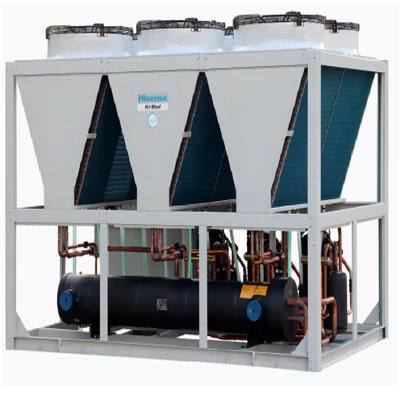
First, let’s do a quick rule-out of the obvious stuff because you’d be surprised how often this is the culprit. No, I’m not talking about a loose soda can stuck in the fan (though I have seen that—yikes). Start with the fan and the fan deck, that’s the number one spot for unexpected noise. Grab a flashlight and head up to the fan deck (safety first, obviously—lock out/tag out that power, don’t be a hero). Are the fan blades bent? Even a tiny bend—like a ding from a random bird or a tool falling during maintenance—throws the blade out of balance. That’s a huge source of that constant, vibrating hum or uneven roar. If blades look bent, don’t try to bend ‘em back yourself unless you know what you’re doing (trust me, we’ve seen guys mess this up and make it worse). Another thing: check the fan mounting bolts. Fans vibrate all day, every day, so those things can work loose over months, even years. A loose fan isn’t just noisy—it’s a safety hazard, so tighten those up with a torque wrench, not just a random wrench you grabbed from the shop. Next, the fan guard—those metal grills around the fan? I’ve had clients complain about noise that sounded like a growling animal, and it was just a piece of trash (a plastic bag, a dead branch) caught between the guard and the blade. Yep, that’s a quick fix, but make sure you do it safely.
Next up, the fill media, that crinkly plastic or wooden “blanket” inside the tower that cools the water down as it flows through. If you’ve had your tower for a few years, especially if you’re dealing with hard water, algae, or mineral buildup, the fill can get clogged, sag, or even develop gaps. Clogged fill means water isn’t flowing evenly, so it’s splashing way more than it should—that splashing noise is a big one people mix up with fan noise. How do you tell the difference? If the noise gets louder when the tower is running at low speed or part load, that’s almost definitely fill splashing. If it’s loud even when the fan’s off, yeah, splashing. Fixes here: first, check for clogs with a water level test—if water’s pooling in spots instead of spreading evenly, that’s a clog. You can do a light flush, but if it’s super clogged, we usually recommend a professional cleaning, or if the fill is old, replacing it. Wait, but why would we suggest replacing fill if we’re a supplier? Because old, sagging fill creates gaps where water escapes and splashes, and those gaps are way harder to patch than just swapping out the whole fill. Plus, new fill is more efficient anyway, so it’s a win-win for noise and energy bills.
Now, the big one that most people miss: vibration transfer. Your cooling tower sits on a foundation, right? If that foundation is rigid or has little to no vibration isolation, the fan and pump vibration travels straight through the metal framework of the tower, the pipes, and even the walls of your building, turning that noise into a rumble you can hear inside the office or down the street. I can’t tell you how many times a client has replaced fans and fill, but still has noise, and it’s just bad isolation. The fix here is simple: check the rubber or spring mounts that connect the fan to the tower frame, and the pump to its base. Those mounts wear out over time, get cracked, or compact, so they stop absorbing vibration. If they’re more than 5 years old, just swap ‘em—they’re cheap, take an hour or two, and they make a massive difference. We sell these mounts all the time because they’re such an easy, underrated fix. Also, make sure the pipes connected to the tower aren’t rigidly attached. If a pipe is bolted straight to the tower without a flexible coupling, that transfers pump vibration right into the tower. Add a flexible coupling—it’s another small part that does big things for noise.
Another common noise culprit: drift and air flow issues. Drift is those tiny water droplets that blow out of the top of the tower, but if your air flow is unbalanced—like if the tower’s air intakes are blocked by a wall, hedge, or other equipment—you get turbulence inside the tower, which makes a weird, whistling or roaring noise. How do you check air flow? Stand on the side of the tower (safely, don’t lean over the top) and see if there’s equal air coming out of all sides. If one side has way less air, that’s blocked intakes. Fix: clear the intakes, or if the obstruction is permanent (like a nearby building), add a directional air vane on the blocked side to redirect air. Also, drift eliminators—those little plates inside the tower that catch water droplets—if they’re dirty or damaged, they not only increase drift (which wastes water and can cause slip hazards), they also create that hissing noise when air pushes through them. A quick clean or replacement of drift eliminators fixes that hissing in most cases.
Wait, let’s talk about motor noise too—don’t sleep on the fan motor. The motor that runs the fan can get old, or have worn bearings, which makes a high-pitched squeal or grind that you’ll mistake for fan noise. How to test that? Turn the fan off (again, lock out power) and spin the motor pulley by hand. If it’s rough, or makes a grinding noise, the bearings are shot. Motors aren’t that expensive, and replacing them is way cheaper than letting a bad motor cause a fan breakdown. Also, check the motor’s alignment with the fan shaft—if the motor is tilted, that puts extra stress on the fan and the bearings, creating noise and shortening both parts’ lifespans. Align the motor with a laser level, it takes 10 minutes and saves you a lot of headache.
Now, a few pro tips from our team that we don’t just hand out to every client. First, schedule a quarterly quick check—spend 15 minutes once a month (or every 3 months if you’re super busy) walking around the tower, listening for new noises, checking bolts, and clearing small debris. A $20 fix for a loose bolt is way better than a $2,000 fix for a broken fan that happened because you ignored a loose part. Second, if you live in an area with cold weather, make sure the tower’s freeze protection isn’t causing noise. Sometimes in winter, when the tower isn’t running at full load, the water flow is slower, so it can freeze a little on the fill, which causes weird popping or cracking noises as it thaws. A small adjustment to the water flow rate in winter fixes that. Third, if you’ve tried all these steps and the noise is still there, don’t guess—call in a pro. A lot of guys will come out and do a full noise audit, which uses sound meters to pinpoint exactly where the noise is coming from, instead of you guessing and replacing parts that don’t help.
Here’s the thing: a noisy cooling tower isn’t just an annoyance. It’s a sign that your system isn’t running at peak efficiency, which means you’re wasting energy on extra noise and higher utility bills. We’ve had clients come to us because their tower was so loud, the local city notified them of a noise violation, and fixing the noise ended up paying for itself in 6 months from lower energy use.

If you’re dealing with a noisy tower right now, and you’ve tried the basic steps but aren’t sure what to do next, we’re here to help. We supply everything from fan parts and mounts to full fill media and motors, so whether you need a small replacement part or a full system audit, we can walk you through it. Shoot us a line to chat through your specific situation, we don’t do pushy sales pitches—just straight answers about what’s actually wrong with your tower and how to fix it without spending more than you need to.
Air-cooled Chiller References:
- Cooling Technology Institute. (2021). Guidelines for Cooling Tower Noise Control and Maintenance.
- American Society of Heating, Refrigerating and Air-Conditioning Engineers (ASHRAE). (2020). HVAC Applications Handbook, Chapter 45: Cooling Towers and Evaporative Condensers.
- Water Environment Federation. (2019). Operation and Maintenance of Cooling Towers, 5th Edition.
Hangzhou Dayu HVAC Engineering Co., Ltd.
As one of the most professional cooling tower manufacturers and suppliers in China, we have world-leading production equipment and strong manufacturing capabilities. If you’re going to buy customized cooling tower made in China, welcome to get quotation from our factory. For price consultation, contact us.
Address: Room 1004, Building 1, Xicheng Business Tower, Xihu District, Hangzhou City, Zhejiang Province, China
E-mail: info@hi-hvac.com
WebSite: https://www.hi-hvac.com/
