If you’ve ever shopped around for respiratory wellness devices, you’ve probably stumbled across two kinds of machines: hydrogen inhalation machines and oxygen inhalation machines. As someone who’s spent the last five years helping people source and use hydrogen inhalation equipment, I hear the same question every week: “Which one do I need, and what’s the actual difference between them?” It’s a fair question—both use compressed gas, both feed air to your lungs, but their science, purpose, and real-world results are night and day. Let’s break this down straight, no sales jargon, just what I’ve learned from working with clinicians, researchers, and everyday customers who’ve tested both. Hydrogen Inhalation Machine
First, let’s start with the basics of what each machine makes. Oxygen inhalation machines (most often called oxygen concentrators, since that’s what they actually are) pull ambient air—about 78% nitrogen, 21% oxygen, and trace gases—run it through filters and pressure-swing absorption technology, and sift out 90%+ of the nitrogen. What comes out is concentrated medical-grade oxygen, usually 93% pure. These have been around for decades; if you’ve ever visited a grandparent with COPD or asthma, chances are they used one. They’re designed to supplement oxygen levels in people who can’t pull enough from regular breathing on their own.
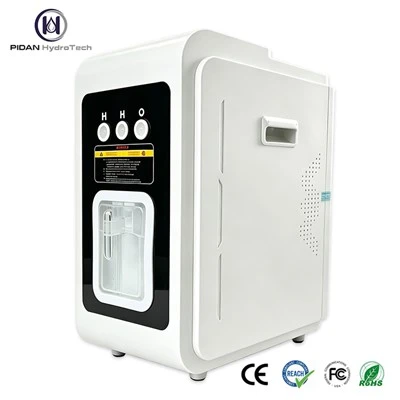
Hydrogen inhalation machines, by contrast, do the opposite. They split water molecules (H₂O) into hydrogen (H₂) and oxygen (O) through a process called electrolysis. The end product is a mix that’s usually 66% hydrogen and 33% oxygen—no extra nitrogen, no trace gases. Hydrogen wasn’t something most people outside of lab settings knew about ten years ago, but recent research has exploded its reputation as a therapeutic gas, not just a industrial one.
The biggest difference, though, isn’t what each machine makes—it’s what each gas does in the body. Let’s get into the science here, because this is where the confusion gets cleared up. Oxygen is the fuel your cells need to function. If you have a respiratory condition that limits your oxygen uptake, an oxygen machine will give your cells a boost, reducing shortness of breath, fatigue, and strain on your heart. That’s critical for people with advanced lung disease, and that’s exactly why oxygen machines are prescribed by doctors for those cases. They’re life-sustaining for people who can’t get enough oxygen on their own.
Hydrogen, though, is a selective antioxidant. Antioxidants like vitamin C or vitamin E mop up free radicals—unstable molecules that damage cells, DNA, and tissue. Most antioxidants in your body are non-selective, meaning they’ll grab any free radical, even the ones that are actually useful for normal cell function. Hydrogen is different: it only targets the harmful, excess free radicals called reactive oxygen species (ROS) that build up from stress, inflammation, environmental toxins, and even normal aging. These excess ROS are linked to everything from everyday fatigue and brain fog to chronic conditions like arthritis, diabetes, and even neurodegenerative issues.
Don’t get me wrong—you need both oxygen and small amounts of ROS. That balance is key. Oxygen machines are all about delivering more oxygen to fix a deficit. Hydrogen machines are about adding a gas that supports your body’s natural ability to reduce damage, without overloading your system.
Next, let’s talk about who uses each machine, and why that matters. Oxygen inhalation machines are almost exclusively for people with low oxygen levels. That includes people with chronic obstructive pulmonary disease (COPD), emphysema, severe asthma, pulmonary fibrosis, people recovering from COVID-19 with residual lung damage, and even some people with heart failure who struggle to pump oxygen effectively. If your blood oxygen saturation (measured by a pulse oximeter) is consistently below 90%, an oxygen machine is the standard medical recommendation. It’s not a wellness tool—it’s a therapeutic one for a specific, diagnosed condition.
Hydrogen inhalation machines, on the other hand, are used by two groups: people with specific chronic inflammatory conditions, and people who just want to support their overall wellness. A growing body of research backs hydrogen’s effects on inflammatory conditions: studies on rheumatoid arthritis, type 2 diabetes, migraine, and even post-exercise recovery have shown benefits from regular hydrogen inhalation. But hydrogen is also popular with people who don’t have a diagnosed condition—busy professionals dealing with brain fog, parents run ragged by kid care, athletes looking to reduce muscle soreness, and people exposed to high levels of environmental pollutants (like urban air or work chemicals) that generate excess free radicals. It’s a wellness tool, but it’s also being prescribed by an increasing number of integrative doctors for milder inflammatory issues.
Wait, but can’t you use both? The short answer is yes, but they work differently, so their use cases don’t overlap. If you have COPD and your oxygen level is 88% at rest, you’d still need your oxygen machine to get the 93% pure oxygen your doctor prescribed. But you might add hydrogen inhalation for 15-30 minutes a day to help manage the inflammation that’s worsening your lung symptoms, which the oxygen alone doesn’t target. They don’t compete—they complement, but only for specific needs.
Now, let’s talk about day-to-day use. Oxygen machines are bulkier, loud, and require consistent power sources. Most stationary models weigh 30+ pounds, need to be plugged into a wall outlet, and run 24/7 for many users. Portable oxygen concentrators exist, but they’re expensive, have short battery life, and only deliver small amounts of concentrated oxygen, not the high flow needed for therapeutic use. They’re designed for long-term use to sustain oxygen levels.
Hydrogen inhalation machines, by contrast, are small, quiet, and portable. Most tabletop models weigh 5-10 pounds, run on a standard wall outlet or even a rechargeable battery for on-the-go use, and require only 15-60 minutes of inhalation a day. That’s a big difference for people who want to fit a wellness routine into a busy schedule. You don’t need to be attached to a machine all day—just a short session each day to get the therapeutic benefit.
I also get asked a lot about safety. Oxygen is flammable. That means if you’re using an oxygen machine, you have to be careful around open flames, avoid smoking near the machine, and keep it away from heat sources. It’s a medical gas, so it needs to be handled with strict care to prevent fire risks. Hydrogen, though, is flammable only in very high concentrations (over 4% in air) and when exposed to an open flame. The mix from hydrogen inhalation machines is usually 2-4% hydrogen, which is well below the flammability threshold. Plus, the machines are designed to shut off automatically if there’s a pressure issue, so safety has come a long way in the last decade.
Let’s address some common myths, too. Some people think hydrogen is just a “fad” and oxygen is the only legitimate respiratory therapy. That’s not true—oxygen is a well-established, life-saving treatment for hypoxemia. But hydrogen research has picked up steam over the past 10 years, with hundreds of peer-reviewed studies on its therapeutic effects, including work from the National Institutes of Health (NIH) and medical institutions in Japan and China, where hydrogen inhalation is already covered by some insurance plans for certain conditions. It’s not a replacement for oxygen, but it’s a valuable addition for many people.
Another myth: if you have low oxygen, hydrogen can fix it. No, that’s not how it works. Hydrogen doesn’t increase your blood oxygen saturation—it targets oxidative stress and inflammation, which can make symptoms worse even if your oxygen is technically in a normal range. For example, someone with COPD might have an oxygen level of 92% (just below the 93% medical threshold) but still feel constant fatigue from inflammation. In that case, adding hydrogen inhalation can help with the fatigue that oxygen alone doesn’t address.
So, which one is right for you? Let’s cut to the quick. If you have a diagnosed respiratory condition that causes low blood oxygen (below 90% consistently), or your doctor has prescribed supplemental oxygen, an oxygen inhalation machine is non-negotiable. It’s the standard care, and it will improve your quality of life.
If you’re looking to reduce inflammation, support cognitive function, speed up recovery from exercise or stress, or manage milder chronic symptoms (like occasional migraine, joint stiffness, or fatigue), and you have normal oxygen levels, a hydrogen inhalation machine is likely the better fit for your needs. It’s a gentler, more targeted therapy for the daily wear and tear that leads to many common health complaints.
Over the years, I’ve seen customers come in confused, having tried one machine and not gotten the results they wanted, because they were using the wrong tool for their needs. A customer with COPD who bought a hydrogen machine thinking it would replace their oxygen machine was frustrated, because hydrogen doesn’t supply the oxygen their body needs to function. A young professional dealing with post-work brain fog who bought an oxygen machine was overwhelmed by the bulk and high cost, and didn’t need 93% pure oxygen—they just needed the targeted support hydrogen provides.
As a hydrogen inhalation machine supplier, I don’t push one over the other. My job is to help people figure out what they actually need, based on their health, their doctor’s advice, and their lifestyle. If you’re on the fence, the best first step is to talk to your doctor. If they’ve prescribed oxygen, stick with that. If you’re looking for a way to support your wellness beyond standard care, hydrogen inhalation is a proven, safe option for many.
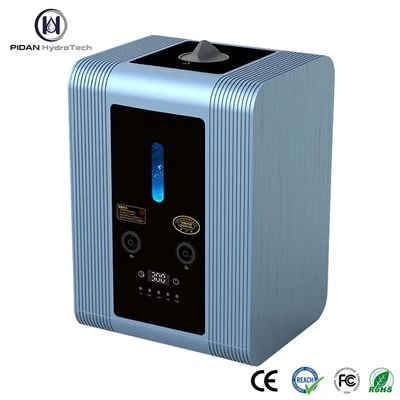
If you’re ready to explore hydrogen inhalation machines for your wellness or therapeutic needs, we’re here to help. We’ve worked with thousands of customers, from busy professionals to clinical practices, to find the right machine for their schedule and goals. Whether you’re looking for a compact tabletop model for home use or a portable unit for on-the-go sessions, we can walk you through features, usage guidelines, and answer any questions you have about how hydrogen works for your body. Reach out to our team to schedule a consultation and find the right fit for your needs.
Portable Hydrogen Inhaler References
- Ohta, S. (2014). Hydrogen as a therapeutic medical gas: antioxidant and anti-inflammatory effects. Medical Gas Research, 4(1), 7.
- McDonough, J. E., et al. (2019). The role of oxidative stress in chronic obstructive pulmonary disease. International Journal of Chronic Obstructive Pulmonary Disease, 14, 2041-2055.
- Huang, C. S., et al. (2017). Hydrogen inhalation improves cognitive function in patients with mild cognitive impairment: a randomized, double-blind, placebo-controlled trial. Neuroscience Letters, 638, 104-109.
- British Thoracic Society. (2020). Oxygen Therapy for Adults at Home: A Clinical Guideline.
- Gharib, B., et al. (2021). Therapeutic applications of hydrogen in sports medicine and exercise recovery. Journal of the International Society of Sports Nutrition, 18(1), 52.
Taiyuan Pidan Technology Co., Ltd.
As one of the most professional hydrogen inhalation machine manufacturers in China, we warmly welcome you to wholesale advanced hydrogen inhalation machine for sale here from our factory. All customized products are with high quality and competitive price. If you have any enquiry about quotation, please feel free to email us.
Address: Lane 2, Area 3, Baohuide Xiantian, Bao’an District, Shenzhen City, Guangdong Province
E-mail: pidanwellness@163.com
WebSite: https://www.pidantechglobal.com/
