If you’re an industrial operations manager, EHS (Environment, Health, and Safety) lead, or production supervisor, you already know that unlabeled or unknown industrial chemicals are one of the most avoidable yet high-stakes risks in your facility. Misidentify the chemical, and you could face dangerous spills, improper waste disposal violations, or even worker injuries—costing you thousands in fines, downtime, or worse. As an industrial chemical supplier of 12 years who’s helped dozens of manufacturing, automotive, and chemical processing teams navigate this exact problem, I’ve seen firsthand how rushed or unplanned attempts to ID unknowns often go wrong. This isn’t about relying on guesswork; it’s about systematic, science-backed steps that balance speed, safety, and compliance. Below, I’ll break down exactly how to identify unknown industrial chemicals, with practical tips I’ve shared with clients ranging from small metal plating shops to large pharmaceutical manufacturing plants. Industrial Chemicals
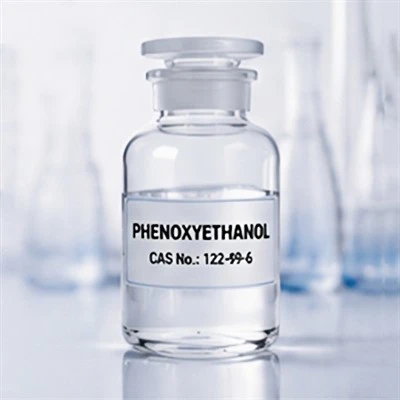
First, start with the obvious—context clues you might overlook in a rush. When I first started in this business, a client called me panicking about a 55-gallon drum of unlabeled liquid they’d found stored in a corner of their warehouse, behind a batch of raw materials they’d ordered in 2019. They’d already touched the drum with gloved hands and were worried it was corrosive or flammable, but before they even called a testing lab, I asked them to jot down everything they remembered about the drum’s origin. Did their team work on a specific project in 2019? The drum was from a trial run of an aluminum etching agent they’d used for a new auto part line. That context cut hours off their testing timeline, and saved them from paying for a more general chemical analysis. Context clues don’t stop at origin, either: check the drum’s markings. Many industrial chemical manufacturers add lot numbers, material safety data sheet (MSDS) references, or even partial chemical names stamped on the side of the container, even if the main label is faded. Smell is a low-tech tool, but use it carefully—never inhale directly over the opening of the drum, always waft the fumes toward your nose with a hand, 12 inches away. A sharp, bleach-like scent might point to a chlorine-based sanitizer; a sweet, pungent odor could mean a glycol-based antifreeze or heat transfer fluid; a rotten egg smell almost always signals a sulfide compound. Just skip this step entirely if the drum looks damaged, leaking, or has signs of pressure buildup—your safety is non-negotiable.
Next, use basic physical property tests to narrow down the chemical class before moving to lab analysis. Context clues will only get you so far, so these simple, in-house tests let you eliminate entire chemical groups in minutes, without expensive equipment. The first is a visual and consistency test: is the chemical a liquid, solid, paste, or gas? If it’s a liquid, note its color—amber liquids are often petroleum-based solvents like mineral spirits or diesel fuel, clear liquids might be water-based cleaners or acids, and opaque whites could be latex emulsions or kaolin clay. For consistency, does it flow like water (low viscosity), or is thick like syrup or paint (high viscosity)? Temperature matters too: if it’s a solid at room temp, is it waxy (like paraffin wax for rust prevention) or crystalline (like sodium hydroxide lye for metal cleaning)? The second basic test is pH testing, which you can do with $5 pH strips from any hardware or industrial supply store. Acidic chemicals (pH less than 7) are often used for metal etching or descaling—think muriatic acid for concrete cleaning, or sulfuric acid for battery manufacturing. Basic chemicals (pH higher than 7) include detergents, ammonia-based cleaners, or sodium hydroxide. Neutral chemicals (pH around 7) might be salts, water-based emulsions, or certain inert raw materials. Another quick test is flammability: if a small drop of the liquid or piece of the solid ignites with a lighter, it’s likely a flammable solvent (like acetone, toluene, or ethanol)—these need extra handling for storage and transport. If you’re testing a solid, never heat it directly on a hot plate at home, use a metal spatula to place a tiny sample on a non-flammable surface, like a ceramic tile. These tests won’t tell you the exact chemical name, but they’ll narrow it down to a small handful of possibilities, which makes professional lab testing faster and cheaper.
When in-house tests aren’t enough, partner with a trusted industrial chemical testing lab—but know what to ask for to avoid overpaying. As a supplier, I see clients waste thousands on unnecessary tests because they don’t have a clear list of properties to share with the lab. For example, if you already know from pH testing that an unknown liquid is acidic, and your context clue points to a metal etching agent, don’t ask for a “full chemical analysis” that includes testing for inert fillers. Ask for a targeted qualitative analysis to identify active ingredients, plus confirmation of its hazard class (corrosive, flammable, toxic). A reputable lab will ask you for the physical properties you’ve observed, the context of where the chemical was found, and whether you have any partial markings from the container—share all of that, it cuts down on lab time and improves accuracy. I always tell clients to look for labs that specialize in industrial chemicals, not just general environmental testing labs—general labs might miss obscure industrial compounds, like specialty heat transfer fluids or process chemicals for electronics manufacturing. Once you get the lab report, cross-reference the results with the chemical properties you observed in-house. If the lab says the chemical is 35% nitric acid, your pH test should show a strong acid, and the drum’s origin (metal etching) should align with that use case. If there’s a mismatch, ask the lab to re-run the test—sometimes samples get contaminated, especially if the unknown chemical was stored in a damaged container.
Now, a critical note: if you’re handling unknown chemicals, never skip hazard assessment, even if you think you’ve identified it. I once had a client who was sure an unknown solid in a cardboard box was baking soda (sodium bicarbonate) because it was white, powdery, and had a faint salty smell—until it reacted violently when mixed with a mild acid (a test he’d done to confirm). It turned out to be potassium hydrogen phthalate, a chemical used in lab calibration that looks nearly identical to baking soda, but is toxic if inhaled in large amounts. That’s why once you have a preliminary ID, test its reactivity with common, low-risk chemicals only if it’s safe to do so—never mix unknown chemicals with anything without lab confirmation. For example, if you think it’s a hydrocarbon solvent, test its solubility in water: most hydrocarbons (like mineral spirits) don’t mix with water, while water-based cleaners do. If it’s a salt, it should dissolve completely in water, while many acids or bases will react slightly (fizzing or warming up). Once you have a confirmed ID, update your SDS for that chemical, make sure your storage area is labeled correctly, and ensure your team has the right PPE (personal protective equipment) for handling it.
One often-overlooked resource for identifying unknown industrial chemicals is your chemical supplier or manufacturer—yes, even if you didn’t buy the chemical from them. Many industrial chemical manufacturers maintain databases of their products, and if you can provide them with the drum’s lot number, partial markings, or even a small sample (if you can ship it safely), they can help confirm the product name. I’ve worked with three different large chemical manufacturers in the U.S. that offer free chemical identification support for their customers, even for products they sold years ago. Just make sure you follow safety protocols when shipping a small sample—use a sealed, non-leaking container, mark it as “Unknown Industrial Chemical, Sample for Testing,” and include a letter explaining your context clues and what you know about where it was found. This is much faster than sending it to a third-party lab, and you’ll get accurate, product-specific information directly from the source.
I also want to address a common mistake I see: rushing to dispose of unknown chemicals without identifying them first. Many clients think, “It’s easier to just throw it away as hazardous waste” but that’s a huge risk. If you dispose of an unknown chemical as general hazardous waste, and it’s actually a non-hazardous chemical (like a water-based lubricant), you’re paying extra in disposal fees for no reason. If it’s a hazardous chemical and you mislabel it, you could face EPA fines or state regulatory penalties for improper waste disposal. The cost of identifying an unknown chemical is almost always less than the cost of incorrect disposal—last year, a metal plating client of mine spent $1,200 to have a drum of unknown liquid identified, instead of the $4,500 they would have spent to dispose of it as a “mixed hazardous waste” load. That’s a saving of over $3,000, not to mention the peace of mind of knowing exactly what they were handling.
For small-scale operations that don’t have the budget for third-party lab testing, there are affordable DIY testing kits designed specifically for industrial chemicals. These kits test for common compounds: acids, bases, solvents, salts, and even certain flammable hydrocarbons. They cost between $50 and $150, which is a fraction of a professional lab test, and can give you a reliable preliminary ID for most common industrial chemicals. Just follow the kit’s instructions exactly—mixing samples at the wrong ratio or using contaminated tools can give you false results. If a DIY test points to a specific chemical, cross-reference it with the context clues you have, and if it’s a high-volume chemical you use regularly, you can confirm the ID by comparing the results to a sample of the chemical you know you use (take a small amount of your current batch and run the same tests side by side).

Now, let’s talk about compliance. In the U.S., OSHA requires employers to have a way to identify all chemicals in the workplace, and the EPA has strict rules for handling and disposing of unknown industrial chemicals. If you work in the EU, REACH (Registration, Evaluation, Authorization, and Restriction of Chemicals) regulations mandate that all chemicals in your facility are properly identified and documented. Failing to identify an unknown chemical can result in workplace safety inspections, fines, and even temporary shutdowns of your operation. Last year, a small manufacturing plant in Ohio was fined $18,000 by OSHA after an inspector found 12 unlabeled drums of industrial chemicals in their warehouse—none of which had been identified. That’s a huge cost for a mistake that could have been avoided with the steps I’ve outlined.
Esters As an industrial chemical supplier, I’ve built my business on helping clients navigate these exact challenges—from identifying unknowns to ensuring proper storage, handling, and compliance. I’ve seen teams save time, money, and protect their workers by taking a systematic approach to identifying unknown chemicals. If you have an unlabeled chemical in your facility, or you need support navigating chemical identification, compliance, or sourcing safe, high-quality industrial chemicals for your operations, my team and I are here to help. We can walk you through the steps to identify your unknown chemical, connect you with trusted testing resources, or help you find a safe alternative if you can’t confirm the ID. Don’t let unknown chemicals put your team or your business at risk—reach out to us today to start the conversation.
References
- Occupational Safety and Health Administration (OSHA). (2023). Hazard Communication Standard: Chemical Labeling and Identification. U.S. Department of Labor.
- Environmental Protection Agency (EPA). (2022). Hazardous Waste Identification and Disposal for Industrial Facilities. U.S. Environmental Protection Agency.
- American Chemical Society (ACS). (2021). "Best Practices for Identification of Unknown Industrial Chemicals." Journal of Chemical Health and Safety, 28(3), 12–19.
- National Fire Protection Association (NFPA). (2020). NFPA 704: Standard System for the Identification of the Hazards of Materials for Emergency Response. National Fire Protection Association.
- European Chemicals Agency (ECHA). (2023). Guidance on REACH: Chemical Identification and Documentation. European Union.
Qingdao Jinforest Chem Tech Co., Ltd.
Qingdao Jinforest Chem Tech Co., Ltd. is one of the most professional industrial chemicals manufacturers and suppliers in China. With abundant experience, we warmly welcome you to wholesale high quality industrial chemicals at competitive price from our factory. If you have any enquiry about quotation, please feel free to email us.
Address: Huangdao District, Qingdao City, Shandong Province (3002, Unit 1, Block B, No.226 Changjiang Middle Road, Former Development Zone)
E-mail: cecilia@kozorigin.com
WebSite: https://www.jinforestchem.com/
