Hey everyone, it’s Jake here from the melamine blockboard side, and let’s cut to the chase—nothing kills the vibe of a finished project (or a DIY weekend) faster than random scratches on melamine blockboard. You know the ones I mean: tiny scuffs from moving furniture, little gouges when you set a heavy tool down, maybe even scratches from a misaligned shelf bracket. As a supplier, I get so many calls weekly from folks panicking over this exact issue—they think their whole piece is ruined, or they have to replace panels that are still totally usable. Spoiler alert: most of the time, you can fix these scratches without being a pro builder, and I’m gonna walk you through exactly how to do it, no fancy tools required. Melamine Blockboard
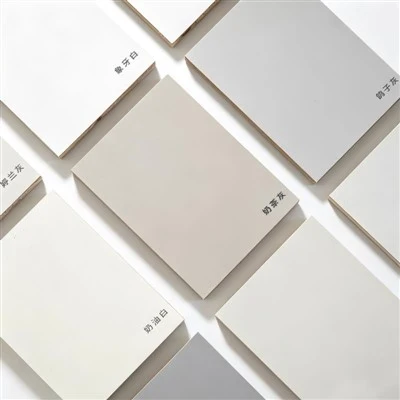
First, let’s get one thing straight—melamine blockboard is different from solid wood. That’s why so many people mess up when trying to fix scratches. Melamine is that hard, smooth resin finish fused to a core of blockboard strips, right? So scratches either sit on the top melamine layer (surface scratches) or dig into that core (deep scratches that break through the melamine). I always tell customers to start by assessing the scratch first—don’t grab the first cleaning product you see, that’s how you’ll end up with a bigger mess.
Let’s break down surface scratches first, because those are the most common, and also the easiest to fix. I’ve seen people use everything from toothpaste (which actually works sometimes) to baking soda paste, but let’s stick to the science here. Melamine’s finish is thermoset, meaning it’s tough but can be buffed with mild abrasives that don’t scratch it more. Wait—before you go grabbing the heaviest grit sandpaper in your garage, hold up. Surface scratches don’t need sanding, not even a little. Let’s start with the basics: a clean microfiber cloth and some warm, soapy water. Most surface scuffs are just dirt or residue that’s settled into the tiny micro-scratches from everyday use. Wipe the area gently in circular motions, don’t scrub hard—melamine’s finish is hard, but it’s not indestructible, and scrubbing too much can dull the surrounding area. If that works? Great, you’re done. If not, move up to mild abrasives.
Toothpaste is my go-to second step for light surface scratches, and here’s why it works: regular white toothpaste (not gel!) has tiny, non-abrasive polishing agents that are perfect for buffing out light scuffs. Avoid gel toothpastes because they have additives that might stain or leave a weird film on melamine. Squeeze a small amount (like a pea-sized dot) onto a clean microfiber cloth, rub it into the scratch gently for 10-15 seconds, then wipe it off with a damp cloth, and dry it right away—water left on melamine can cause warping or discoloration over time. I test this trick all the time on scrap melamine panels we keep in the warehouse, and it works 9 times out of 10 for scuffs from moving boxes or chair legs.
Now, what if the scratch is a little deeper—like a gouge that’s visible, but not all the way through the melamine? That’s where melamine touch-up sticks come in. I always keep a set of these in my work truck, because they’re tiny, cheap, and perfect for on-the-spot fixes. Here’s the thing: not all touch-up sticks work for melamine. You need ones that are specifically formulated for melamine, not wood. Wood touch-up sticks are too waxy or have oils that won’t adhere to the melamine resin, and they’ll come off in a week. Melamine touch-up sticks have a hard, pigmented wax that melts just enough to fill the scratch, then sets. To use one, pick a stick that matches your melamine’s color (pro tip: if you don’t have an exact match, go slightly lighter—you can always buff it down, darker will look weird), rub it back and forth over the scratch until it’s filled completely, then take a clean microfiber cloth and buff away any excess wax from the surrounding area. Wait 10 minutes for it to set, and you’re good to go. I fixed a scratch on my daughter’s bookshelf last month with a light oak melamine stick, and you can barely tell it was there, even up close.
Now, the big one: deep scratches that break through the melamine and into the blockboard core. This is the one that makes people think they need a whole new panel, but it’s actually fixable too—you just need to be a little more careful. First, you need to fill the scratch with a material that matches both the melamine color and the core. Melamine blockboard cores are usually made of softwood strips (pine, fir, etc.) or even particleboard, so the best filler here is a melamine-compatible wood filler. Wait, no—don’t use regular wood filler, that’s too porous and won’t match the melamine’s hard finish. Use a two-part epoxy filler that’s tinted to match your melamine’s color. Here’s how I do it: first, clean the scratch out completely with a cotton swab dipped in rubbing alcohol—get all the dust and debris out, because if there’s anything in there, the filler won’t stick. Mix the epoxy according to the package directions (don’t mix more than you need, it sets fast!), then use a small plastic putty knife to push the epoxy into the scratch, overfilling it slightly. Let it cure for the full time the package says—usually 24 hours, I’ve learned the hard way that rushing this leads to filler that crumbles later. Once it’s cured, you need to sand it smooth with super fine-grit sandpaper (220 grit, at minimum—even 320 is better) to match the surrounding melamine surface. Sand in very light, circular motions, and check often so you don’t sand too much and create a dip. After sanding, buff the area with a microfiber cloth to remove any dust, and if there’s a slight color mismatch, a tiny bit of the melamine touch-up stick (or even a clear wax to blend) can fix it.
Wait, hold on—what should you never do when fixing melamine scratches? I get this question all the time, so let’s list the no-nos. First, never use steel wool on melamine. Steel wool has metal particles that can scratch the finish, and it’ll leave little rust spots that are impossible to get out. Second, never use heavy grit sandpaper on surface scratches—120 grit is way too rough, you’ll end up with a dull, uneven area that’s way worse than the original scratch. Third, never use nail polish or super glue as a filler. Nail polish is too thin, it chips off immediately, and super glue is hard to sand and will leave a cloudy look. Fourth, don’t use harsh chemicals like bleach or paint thinner—those can dissolve the melamine finish or discolor it, leaving you with a whole panel that’s ruined.
As a melamine blockboard supplier, I also want to add a quick tip on preventing scratches in the first place, because fixing them is easier than avoiding them, but preventing is even better. When you’re installing furniture made with melamine blockboard, use felt pads on all the legs—no more scratches from chairs sliding across the floor. When moving panels or finished pieces, wrap them in moving blankets instead of just dragging them. If you’re using tools on a melamine surface (like when assembling cabinets), always lay a thick rubber mat down to catch any dropped screws or hammer marks. We’ve had customers tell us that after adding felt pads, they haven’t had a single scratch in years, and that’s way better than dealing with fixes.
I also get a lot of customers asking me if their melamine blockboard is defective if it scratches easily. No, that’s just how melamine works—it’s a hard finish, but it’s not scratch-proof. Even the highest quality melamine blockboard will get scratches if you’re careless, same as any other surface (think: your car’s paint, or your phone screen). The difference is that with the right fixes, you can make those scratches disappear without anyone ever noticing.
Let me recap real quick, so you don’t have to scroll back:
- Assess the scratch: Is it on the melamine surface (light scuff) or does it go deep into the blockboard core?
- Light surface scratches: Warm soapy water, then toothpaste (white only!) if needed, buff with microfiber.
- Medium scratches (just on melamine): Melamine touch-up stick, rub in, buff excess.
- Deep scratches (through melamine): Clean with rubbing alcohol, fill with tinted epoxy, cure, sand smooth, blend.
- Never use steel wool, heavy sandpaper, nail polish, or harsh chemicals.
- Prevent scratches with felt pads and moving blankets.

Now, if you’re working on a big project and need more melamine blockboard to replace a damaged panel, or you just have questions about the best finishes for your project, hit me up. I’m here to help with all things melamine, no matter if you’re a DIY person doing a bookshelf or a contractor working on a whole kitchen. We’ve got a range of melamine blockboard sizes and colors, so you can get the exact material you need for your project without the hassle. Just reach out, and we can chat through what you need and how to get it to you fast.
PET Board References:
- Melamine Finishes: Care, Cleaning, and Repair. Woodwork Institute, 2022.
- Surface Repair Techniques for Laminated Panels. Panel Products Association, 2021.
- Household Abrasives for Minor Surface Scratch Removal. Home Improvement Research Council, 2023.
- Best Practices for Maintenance of Melamine Blockboard in Residential and Commercial Applications. Building Materials Review, 2022.
Jiangshan Shunlong Wood Industry Co., Ltd.
As one of the most professional melamine blockboard manufacturers and suppliers in China, our products have good reputation in the market. Please feel free to wholesale bulk melamine blockboard in stock here and get quotation from our factory. We also accept customized orders.
Address: No.7 Jinfeng Road, Jintangshan Industrial Zone, Hecun Town, Jiangshan City, Quzhou City, Zhejiang Province
E-mail: 17858202655@163.com
WebSite: https://www.shunlongwood.com/
