If you’ve ever priced wood shingles for a roofing project, you might’ve noticed that weight rarely factors into initial quotes—until you’re calculating structural load limits, figuring out how many bundles fit on a pallets, or planning for safe roof installation. As a wood shingles supplier with more than a decade in the industry, I get dozens of questions a week from contractors, homeowners, and builders asking the same thing: “What’s the actual weight of wood shingles, anyway?” It’s not a one-size-fits-all number, and understanding why matters just as much as the number itself. Let’s break it down, no jargon, just the real-world stuff we deal with on every delivery. Wood Shingles
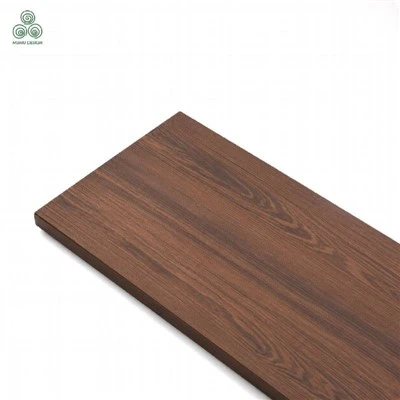
First, let’s set a baseline: wood shingles are different from wood shakes, and that difference changes weight. Shingles are sawn thin, with smooth sides and uniform edges, while shakes are split, more rustic, and often thicker. For this post, we’re talking about standard sawn wood shingles, the kind most residential and commercial builders specify for traditional cedar roofs (pine and redwood are also common, but cedar is our top seller). Even within that category, three core factors drive weight: wood species, grade, and whether the shingles are treated or untreated.
Let’s start with wood species, because that’s the biggest variable. Softwoods like white cedar, the most popular for shingles, have a lower density than, say, white pine. On average, seasoned (air-dried, not kiln-dried or green) white cedar shingles weigh about 2 to 2.5 pounds per square foot of roof coverage. Wait, “square foot of roof coverage” is a key measurement here—roofing professionals don’t measure shingles by their size in isolation; a “square” of roofing material is 100 square feet of covered roof area. That’s the standard we use for all our orders, so when I tell a customer a square of our white cedar shingles weighs 200 to 250 pounds, that’s the number they’ll use for structural calculations. Compare that to yellow pine, which is denser: a square of pine shingles runs 275 to 325 pounds, about 25% heavier than cedar. Redwood falls in the middle, usually 225 to 275 pounds per square. The difference comes down to cell structure—dense woods have more solid wood per volume, so they weigh more.
Next, grade plays a role, and it’s a detail that new contractors often miss. At our company, we offer three primary grades for residential and light commercial use: No. 1 Grade, No. 2 Grade, and Economy Grade. No. 1 Grade is the highest: we sort every shingle to remove knots, split edges, and thin spots, so every piece is uniform, smooth, and solid. That means No. 1 Grade white cedar shingles are at the upper end of our weight range, right around 2.5 pounds per square foot, or 250 pounds per square. No. 2 Grade has minor knots and minor surface imperfections, which means some pieces are a touch thinner than No. 1. They weigh in at about 2.2 to 2.3 pounds per square foot, or 220 to 230 pounds per square. Economy Grade is the lowest, for budget projects: it’s got more knots, occasional thin edges, and more small splits, so it’s the lightest, usually 2 to 2.1 pounds per square foot, or 200 to 210 pounds per square. That might seem like a small difference, but when you’re ordering 10 squares for a 1,000 square foot roof, that’s a 50-pound gap between No. 1 and Economy Grade—enough to add a few extra pounds to your structural load calculation, which matters for older homes with lower load limits.
Then there’s treatment. A lot of customers ask if pressure-treated wood shingles weigh more, and the short answer is yes, but not as much as you might think. Pressure treatment uses chemicals (usually a water-borne preservative like ACQ or CA) to resist rot, insects, and mold, which is required for shingles in humid climates, near coasts, or for structures that touch the ground (though most roof shingles go on above ground). When we treat a square of white cedar shingles, the preservative adds about 10 to 15 pounds of weight, so a treated No. 1 Grade square runs 260 to 265 pounds, compared to 250 for untreated. That’s a small difference, but it’s worth noting if you’re calculating total roof load, especially if you’re also adding underlayment, ice and water shield, and insulation. If you’re using shingles for a project that needs fire resistance, treated or fire-retardant shingles add a bit more—another 5 to 10 pounds per square, depending on the formula.
Wait, what about green vs. seasoned wood? That’s a mistake we see all the time: some suppliers sell “green” (unseasoned, freshly milled) shingles at a lower price, but they’re heavier because they hold moisture. Green cedar shingles can weigh 30 to 40 pounds more per square than seasoned ones, because they have a moisture content of 25% or higher, while properly seasoned shingles have a moisture content of 12 to 15% (the industry standard for roofing, to prevent warping and shrinkage after installation). We never sell green shingles—we air-dry all our shingles for 60 to 90 days after milling, so they’re ready to install, and you don’t have to factor in excess moisture weight that will evaporate after a few weeks. That’s a big deal for structural plans: if a contractor uses green shingles, their initial load calculation will be 10 to 15% higher than it will be once the wood dries, which can lead to overbuilding and unnecessary costs.
Now, let’s talk about practical, on-the-ground numbers, because no one wants to just memorize ranges—they want to know what that means for their project. If you’re ordering a pallet of shingles: a standard pallet holds 20 squares of wood shingles, so a pallet of our No. 1 Grade white cedar untreated shingles weighs about 5,000 pounds (250 pounds per square x 20 squares). That’s a weight that matters for delivery: most flatbed trucks can carry 40,000 to 45,000 pounds of cargo, so you can fit 8 or 9 pallets of shingles per truck, depending on other materials. If you’re hiring labor to unload, that’s another consideration: each square is about 250 pounds, so two workers can handle a square easily, but you don’t want to try to move 10 squares at once without a dolly.
For structural engineers, let’s get specific: the International Residential Code (IRC) limits roof live loads to 20 pounds per square foot for most residential homes, and dead load (the weight of the roof itself) can’t exceed that. If you’re using our white cedar shingles, dead load from the shingles is 2.5 pounds per square foot, which leaves plenty of room for underlayment, sheathing, ice and water shield, and even solar panels later. If you were using denser pine shingles at 3 pounds per square foot, you’d have a bit less wiggle room, but it’s still well within code for most homes.
I should also mention a common misconception: a lot of people confuse wood shingle weight with asphalt shingle weight. Asphalt shingles weigh 2 to 3 pounds per bundle, and a bundle covers 33.3 square feet, so a square of asphalt shingles is about 60 to 90 pounds—less than a third of the weight of wood shingles. That’s why wood roofs are often recommended for areas with high wind, or for homes that want a long-lasting, low-maintenance roof (wood shingles can last 30 to 50 years with proper upkeep, compared to 15 to 20 years for asphalt). The extra weight is a small tradeoff for that longevity.
Now, as a supplier, I’ve seen how getting weight right saves contractors and homeowners headaches. Last year, a local contractor came to us after ordering shingles from a big box store, and their initial order was green shingles. They’d planned for a 2,000 square foot roof, which would’ve been 20 squares of green shingles at 250 pounds per square, plus extra for moisture—but when the shingles arrived, they were 30% heavier, and the structural engineer had to adjust the load calculation mid-project, adding $1,200 to their costs. That’s why we always include weight details on every order, and we’re upfront about species, grade, and treatment affecting that number.
Another example: a couple building a cabin in the mountains called me last month, worried about the weight of shingles for their steep roof. They were considering metal roofing, but they loved the look of cedar. I walked them through the numbers: a square of our No. 1 Grade cedar shingles is 250 pounds, while a square of standing-seam metal is about 75 pounds. But the cabin’s roof load was rated for 50 pounds per square foot, so even with the shingles, they had plenty of space for snow and wind. We also pointed out that our shingles are kiln-dried to 13% moisture, so they wouldn’t add weight after installation, which was perfect for their off-grid home. That’s the kind of conversation we have every day—weight isn’t just a number, it’s a piece of the puzzle.
If you’re planning a project and need an exact weight, keep in mind that we can provide custom quotes for specific grades, treated or untreated, and any wood species. We’ve shipped shingles for everything from small backyard sheds to large commercial buildings, so we’re used to adjusting for different load requirements, delivery constraints, and project budgets. Don’t guess on weight—reach out to us directly to get the precise number for your needs. Whether you’re a contractor estimating a bid, a homeowner planning a re-roof, or a builder working on a new structure, we can break down all the details, answer your questions, and help you order the right shingles for your project.

To learn more about our wood shingles, their specifications, and to get a tailored quote, contact us to discuss your project details. We’re here to make the process simple, transparent, and tailored to your specific needs.
Shou Sugi Ban References
- International Residential Code (IRC) for Roof Load Requirements, International Code Council, 2021.
- Wood Species Density and Weight Tables, Forest Products Laboratory, U.S. Department of Agriculture, 2022.
- Wood Shingle and Shake Grading Standards, Cedar Shake and Shingle Bureau, 2020.
- Roofing Material Weight Comparisons, National Roofing Contractors Association (NRCA), 2023.
- Pressure Treatment for Wood Roofing Materials, American Wood Protection Association (AWPA), 2021.
Dongguan Mumu WoodWork Co., Ltd.
As one of the most professional wood shingles manufacturers and suppliers in China, we also support customized service. Please feel free to wholesale bulk high quality wood shingles for sale here from our factory. Good service and low price are available.
Address: Room No.2602-2603, Unit 9B, Universal Commerce Center, Nancheng District, Dongguan City, Guangdong Province, China,523073
E-mail: sales@mumu-ing.com
WebSite: https://www.mumuthermowood.com/
