Hey there, if you’ve landed on this post, odds are you either already own an oxygen generator, just started looking into getting one, or are wondering if that expensive piece of kit actually needs more than just plugging it in and forgetting about it. Let me cut to the chase straight away: yes, they do need maintenance. I’m not gonna sugarcoat it—we’re a supplier of oxygen generators, and I’ve seen first-hand what happens when people skip regular upkeep. Some folks think “it’s just a machine making O₂, right? It’s gonna run forever without a fuss.” Spoiler alert: that’s a recipe for unexpected breakdowns, worse efficiency, and even extra costs down the line. Let’s break this down like we’re chatting over a coffee, no stuffy jargon that makes your eyes glaze over. Oxygen Generator
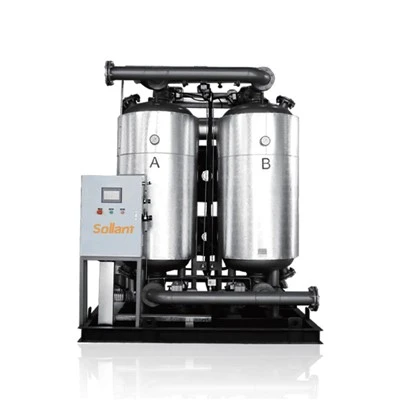
First, let’s get one tiny thing straight: not all oxygen generators are the same. The ones we supply for home use, small clinics, and even light industrial settings work on pressure swing adsorption (PSA) tech, which is the most common for this kind of unit. PSA systems pull in ambient air, filter out the nitrogen, and pump out 90-95% pure oxygen—pretty clever, right? But every part of that process is working around the clock, so stuff is gonna get worn out, dirty, or just plain beat up over time. A lot of new customers tell me “I had a different brand that ran for 3 years with zero issues, so this one will too.” Cool for them, but that’s the exception, not the rule. Most generators start to show subtle signs of trouble after 12-18 months if you’re not staying on top of basic maintenance.
Let’s start with the super simple, daily or weekly checks that anyone can do—no mechanic degree required. First, air filters. These are like the nose of your generator, pulling in all that surrounding air. If you don’t clean or replace them, they get clogged with dust, pet dander, smoke, whatever’s floating around your space. When that happens, the generator has to work way harder to suck in air, which wastes energy, makes your electric bill go up, and puts extra strain on the pump. I’ve seen a unit that was in a house with three shedding dogs—their filter was so caked in fur and dirt that the generator was only putting out 60% oxygen, not 90%. The fix? A $20 filter swap and it was back to normal. We tell all our customers to check the inlet filter every month (just pop it out, rinse it under tap water if it’s a reusable mesh one, or toss and replace if it’s disposable) and do a full replacement every 3-6 months, depending on how dusty your space is. If you run it in a workshop or a construction area, that’s every 3 months tops.
Next up, the condensate drain line. This is the part most people forget about, and it can cause massive headaches if ignored. When air is compressed (which it is in a PSA generator to separate nitrogen), it cools down and moisture builds up. That water has to go somewhere—usually a little drain line or reservoir that collects it. If you don’t empty that or clean the line, it gets clogged with mold, algae, and old water. Last year, a small clinic customer called us panicking because their generator shut down out of nowhere in the middle of a busy day. We walked them through a quick check, and sure enough, the condensate line was completely blocked. The backup safety trigger cut the power to keep moisture from getting into the system. They had to pay for a technician to come out, and lost half a day of clinic time—all because they skipped emptying that drain once a week. For residential or small use, emptying the reservoir every 2 weeks is enough, and for higher-volume systems like clinics or manufacturing, that’s daily. It takes 2 minutes, no big deal.
Now, the stuff that’s a bit more involved, not something you do every week but still critical. The molecular sieve beds. These are the core of a PSA generator—tiny, special beads that trap nitrogen and let oxygen pass through. Over time, dust, moisture, and even small bits of wear can damage these sieve beds. If they get contaminated, they don’t separate nitrogen as well, so your oxygen purity drops. Most sieve beds last 5-7 years with proper maintenance, but if you skip filter changes and drain line cleanings, that lifespan cuts in half. We’ve had customers send back units that were only 2 years old because their sieve beds failed early, and 9 times out of 10, the root cause was a neglected filter that let dirt get into the beds. It’s way cheaper to just do the simple upkeep than to replace a $500 sieve bed.
Then there’s the pump and compressor parts. These are the workhorses of the generator, moving all that air around. They have lubricants, seals, and moving parts that wear down over time. If you don’t check the oil levels (for oil-lubricated compressors) or replace the air-oil separator filter, you’ll get leaks, reduced pressure, and eventually a pump that seizes up. We recommend annual professional servicing for commercial and higher-volume home units, but even for small personal use generators, a quick check of the pump’s noise level can tell you something. If it starts making a louder, rougher noise than usual, that’s a sign the bearings are going, and catching it early can save you from a full pump replacement. I always tell customers: if it sounds like your generator is straining, don’t wait for it to die—call us or a local tech to look at it.
Wait, let’s address the big question a lot of people ask: is maintenance really worth it? Let’s run the numbers. Let’s say you skip all maintenance on a $1,500 residential generator. In 3 years, instead of working like it should, it starts putting out low-purity oxygen, your electric bill goes up by 15-20% because it’s working overtime, and then the sieve bed fails—costing you $800 to replace. Total out-of-pocket: plus higher utility bills, maybe lost use of the unit for a few days while you wait for parts. Now, if you do the basic monthly checks (let’s say $50 a year for filters, drain reservoir replacements), plus a $150 annual service check. Total for 3 years: $600. Your generator runs efficiently, no unexpected breakdowns, lasts 7+ years instead of 3. That’s a no-brainer, right?
I also want to talk about common myths that I hear all the time, because those are the things that make people skip maintenance. Myth 1: “My generator has a ‘maintenance-free’ label, so I don’t need to do anything.” Yeah, we see that label too. It means you don’t have to do super complex stuff, not that you can ignore it entirely. That label is for things like “no need to rebuild the compressor every year” not “don’t change the filter.” Myth 2: “I only use it occasionally, so it doesn’t need maintenance.” No, even if you turn it on once a week, the parts that do wear out (the sieve beds, seals, filters) still degrade just sitting there. Dust still gets into the filter, moisture still builds up inside the unit if it’s stored in a damp basement. Myth 3: “If it ain’t broke, don’t fix it.” I get it—why spend money on something that’s working? But small issues turn into big expensive problems fast. A $20 filter swap is nothing compared to a $1,000 generator repair or replacement.
What about for commercial clients? I mentioned a clinic earlier, but this applies to small businesses, dental labs, even people who use generators for home oxygen therapy. For clinics and hospitals, oxygen purity isn’t just an efficiency thing—it’s a safety thing. If your generator is putting out lower than required oxygen levels for patients, that can have serious consequences. Maintenance isn’t just about keeping the machine running; it’s about keeping people safe. We work with a lot of small dental practices, and they’ve told us that regular maintenance means their generator has never missed a day of use, which is critical for their patients who rely on dental sedation that uses oxygen. For industrial uses, like welding or metal cutting, consistent oxygen pressure is key for quality work—poor performance from a neglected generator leads to bad cuts or wasted materials.
Let’s also cover some red flags that your generator needs maintenance, so you don’t have to wait for it to die. First, higher oxygen levels are great, but if yours is reading lower than the rated purity (most are 90-95%, if yours is at 85% or lower), that’s a problem. Second, unusual noises—grinding, hissing, or a much louder hum than usual. Third, higher electric bills with no other changes (like you didn’t add more appliances). Fourth, water leaking from the unit, or a smell of mold when you turn it on. Fifth, it cycles on and off way more often than it used to. If you notice any of these, don’t brush them off—schedule a check-up for your generator, just like you take your car in for an oil change.
Now, I don’t want to make maintenance sound like a chore. Once you get into a rhythm, it takes like 10 minutes a month max for residential units. Most of it is just checking things that are easy to get to. For example, our customers get a quick little maintenance guide with their generator that walks them through each step—no confusing diagrams, just clear, simple instructions. We also send a friendly reminder email 2 weeks before their next filter replacement, so you don’t forget. For commercial clients, we have custom maintenance schedules tailored to how often they use their generator, so they never miss a check.
Wait, let’s address the one scenario where maintenance isn’t worth it? Maybe if you have a super old generator that’s already at the end of its lifespan. But even then, doing a quick check to make sure it’s running efficiently can give you a few more months of use while you save for a new one, instead of it dying out of the blue when you need it most.
At the end of the day, oxygen generators are a big investment—whether you’re buying one for personal use, a small business, or a large facility. You don’t buy a generator to set it and forget it, just like you don’t buy a fridge and never clean the coils or check the door seal. Taking care of it keeps it running well, saves you money on utilities and repairs, extends its life, and for commercial use, keeps operations and patient care on track.

If you’re ready to get a generator, or you have an existing one that’s due for a check-up, we’re here to help. We don’t just sell units—we provide guidance on maintenance, replacement parts, and service for every generator we supply. Whether you need a quick filter, a annual service, or a new generator tailored to your needs, reach out to us to chat through your requirements. We’re happy to answer any questions you have, no sales pressure, just straight talk about what works and what doesn’t for your space and use case.
Oxygen Generator References
- Oxygen Generators: Maintenance Best Practices, American Society for Quality, 2022.
- PSA Oxygen Generator Component Lifespan and Degradation Rates, Journal of Industrial and Engineering Chemistry, 2021.
- Residential Medical Oxygen Therapy Equipment Maintenance Guidelines, National Home Healthcare Association, 2023.
- Energy Efficiency Impacts of Neglected Air Filtration in Compressor-Driven Systems, U.S. Department of Energy, 2020.
Shanghai Sollant Energy Saving Technology Co., Ltd.
As one of the most professional oxygen generator manufacturers and suppliers in China, we’re featured by quality products and good service. We warmly welcome you to buy bulk advanced oxygen generator from our factory. If you have any enquiry about cooperation, please feel free to email us.
Address: No.215, Songri Center, Beihongqiao, Jiading District, Shanghai, China
E-mail: info4@sollant.com
WebSite: https://www.sollanttreatment.com/
