If you’ve ever watched a steelmaking plant, it’s a chaos of flames, molten metal, and nonstop machinery—you might not think a simple white powder would be a quiet, essential hero in all that. But as a quick lime powder supplier, I get asked this all the time: what’s the actual deal with quick lime and steelmaking? It’s not just some random add-in; it’s why a lot of steel turns out strong, clean, and ready for bridges, cars, and all the stuff we rely on. Let me break this down like I explain it to our regular clients—no stuffy textbook jargon, just the real way this powder moves through the process. Quick Lime Powder
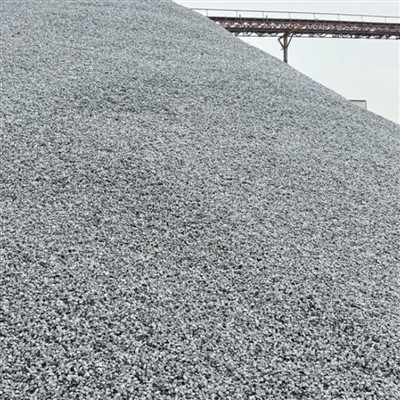
First, let’s get quick lime straight: it’s basically calcium oxide (CaO), made by heating limestone super hot in a kiln until it drives off all the carbon dioxide. Unlike slaked lime (which is Ca(OH)₂, the stuff you use for garden soil), quick lime is reactive AF—when it hits the high temp of steelmaking, it doesn’t just sit there. That reactivity is the whole point. Steelmaking starts with turning iron ore (which is full of junk, or “impurities” like silica, phosphorus, and sulfur) into pure iron, then tweaking it into the alloy we need. Quick lime is the MVP for grabbing those junk bits before they mess up the steel.
Wait, let’s start with the basic steelmaking step most people know: the blast furnace. That’s the big, tower-like thing where they melt iron ore, coke (for heat), and limestone. A lot of folks mix up limestone and quick lime, but here’s the real difference: limestone is the raw rock, and when it’s heated in the blast furnace, it turns into quick lime. But a lot of modern plants skip making quick lime on-site and buy it instead—because it’s more consistent. If you use limestone that’s been sitting in a quarry, its quality can change with the weather or how it was mined. Our quick lime is tested every hour, so it’s the same every load—no surprises when you’re dealing with 1,000-degree molten metal.
What does that quick lime do in the blast furnace, exactly? The iron ore has silica in it, right? Silica is like a sticky glassy goop that would mess up the molten iron if it stayed. Quick lime reacts with silica (that’s a chemical reaction, nothing scary) to make something called “slag”—it’s a lighter, crumbly layer that floats on top of the molten iron, so you can just pour it off and leave the pure metal below. No slag means no contamination, which is non-negotiable for steel that needs to hold up. If the quick lime is low quality, it won’t react all the way, and you get leftover silica in the iron. That makes weak steel—you don’t want a bridge beam snapping because of bad slag.
Then, after the blast furnace, you get “pig iron”—that’s the molten stuff that’s still got way too much carbon and other impurities, plus sulfur, which is a huge problem. Sulfur makes steel “hot short”—meaning it cracks when you roll it or shape it, especially when it’s hot. Nobody wants cracked steel parts for cars or construction. Here’s where the second big step comes in: basic oxygen steelmaking (BOS), which is the most common method now. In BOS, they blow pure oxygen into the pig iron to burn off extra carbon, but you still need to get rid of the sulfur. That’s where quick lime really shines here.
Sulfur reacts with quick lime to make calcium sulfide (CaS), which is also part of the slag. Wait, why not just use another material? Because quick lime has the right pH (it’s basic, hence the “basic” in BOS) to balance out the acidic impurities like sulfur and silica. If you use something weaker, it won’t pull the sulfur out fast enough—adding 200 tons of quick lime in a BOS converter, that’s a big move, and you need it to work right away. Our quick lime has a high “available CaO” content—like 90% or higher, which is way more than most budget quick lime. You don’t have to add as much, which saves the plant time and energy.
Wait, there’s also electric arc furnace (EAF) steelmaking, which uses scrap metal instead of pig iron—super important for recycling, now that everyone’s pushing for green steel. Scrap metal has different impurities, like rust, paint, and dirt, and quick lime works here too. In EAFs, the quick lime doesn’t just make slag—it also acts as a “heat stabilizer.” The EAF uses electricity to melt scrap, and quick lime absorbs some of the excess heat so the furnace doesn’t wear out too fast. It also helps control the fumes—less toxic fumes going out the smokestack, which is a win for safety. I’ve had a couple of EAF clients tell us that switching to our quick lime cut their fume cleanup costs by 15%—that’s a big deal for their bottom line.
Now, let’s talk about the stuff most people don’t see: the small stuff, like refining steel after the BOS or EAF step. That’s called ladle metallurgy—you take the molten steel from the converter and pour it into a ladle, then add a bunch of powders to tweak the chemistry. Quick lime is a main component of the “refining flux” here. It cleans up any leftover impurities that the BOS step missed, like tiny bits of alumina (another oxide that causes defects in finished steel). Alumina can clog up the nozzles when you pour the steel into molds, which ruins batches. Quick lime reacts with alumina to make it float into the slag instead of clogging nozzles. One of our clients, a small steel fabricator, used to have 5% of their batches ruined by nozzle clogs—after switching to our quick lime, that dropped to less than 1%. That’s real money saved, right there.
I should also be honest about the mistakes people make with quick lime in steelmaking. A lot of new operators think more is better—they add too much quick lime, and then the slag gets too thick. Thick slag doesn’t pour right, and you end up leaving slag in the steel, which makes it weak. Our team works with every client to figure out the exact amount they need, based on their furnace size, the scrap they use, and the iron ore quality. We don’t just dump a truckload and say “good luck”—we’ve got folks who’ve been in the steel supply game for 20 years, so they know the small stuff. Like, if a plant is using more recycled scrap, they need a little more quick lime because scrap has more surface impurities. That’s not something you find in a generic manual; that’s the kind of knowledge you only get from working with actual steel plants every day.
Another big thing right now: green steel. A lot of steelmakers are trying to cut their carbon footprint, and quick lime helps with that. When you use high-quality quick lime, you can reduce the amount of energy needed in the furnace because it reacts faster, so you don’t have to run the furnace as long. Also, some plants are switching to using lower-carbon quick lime—we’re working on that, actually, by using waste heat from our kilns instead of natural gas. Our clients who are going green love that because it lets them hit their ESG goals without sacrificing steel quality. It’s not just a powder for them anymore—it’s part of their sustainability plan.
Let me wrap this up with what it actually means for you, if you’re in the steel business. Quick lime isn’t a side product; it’s a core material that affects every part of your process: how much scrap or iron ore you use, how much energy you burn, how many bad batches you have, and how strong the final steel is. I’ve seen a plant go from 3 bad batches a week to zero, just by switching to a better quick lime supplier. That’s the impact.

If you’re tired of quick lime that’s inconsistent, or that doesn’t work as hard as it should, we’re the folks to talk to. We don’t do generic bulk loads—we tailor our quick lime to your furnace, your scrap, and your targets. Whether you’re running a big blast furnace or a small EAF shop, we can get you the right powder, on time, every time. Hit us up to chat about your needs, no sales pitch, just straight talk about what works for your steel.
Calcium Carbonate Powder References:
- Handbook of Steelmaking, 2nd Edition, Iron and Steel Society
- Industrial Minerals and Rocks, 7th Edition, Society for Mining, Metallurgy, and Exploration
- Practical Guide to Ladle Metallurgy, American Foundry Society
Chaohu Jirun Energy Conservation and Environmental Protection Technology Co., Ltd.
We’re well-known as one of the leading quick lime powder manufacturers and suppliers in China, also support customized service. Welcome to wholesale high quality quick lime powder in stock here from our factory. If you have any enquiry about pricelist, please feel free to email us.
Address: No. 9, north of the intersection of Weihai Road and Weili Avenue, within the industrial park of Yinping Town, Chaohu City, Hefei City, Anhui Province.
E-mail: 13305654485@163.com
WebSite: https://www.chaohujirun.com/
