If you’ve ever stood in a bathroom and felt that quiet frustration of a soap dish that cracks after three months, a toothbrush holder that grows opaque, or a shower caddy that gets slimy in the corners, you’re not alone. For years, plastic bathroom accessories have gotten a bad rap—cheap, flimsy, disposable, more likely to end up in a landfill than a cabinet. But as a plastic bathroom accessories supplier who’s spent the last 12 years designing, testing, and iterating on products for everyday homes, I’ve watched a radical shift in this category. The new wave of plastic bathroom accessories isn’t just “plastic”; it’s smart, sustainable, and engineered to solve the tiny, annoying problems no one talks about until they become a hassle. Let’s dive into the innovative features that are redefining what these common items can do. Plastic Bathroom Accessories
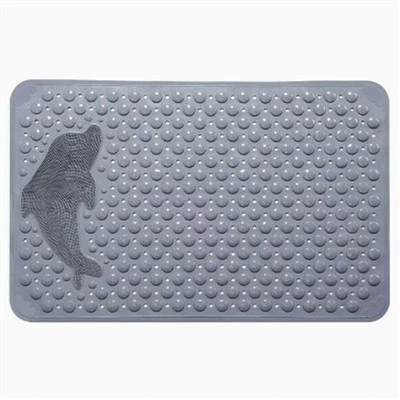
First, let’s talk about the elephant in the room: plastic’s reputation for being bad for the planet. For too long, bathroom accessories were made from virgin, single-use plastic that couldn’t be recycled once it got stained or worn out. But today’s top manufacturers, including our team, are shifting to chemically upcycled plastics—materials that take post-consumer plastic waste (think old water bottles, milk jugs, or broken packaging) and break it down at the molecular level to create a resin that’s identical to new plastic, but with a 70% lower carbon footprint. What makes this innovation stand out isn’t just using recycled plastic; it’s engineering it to be more durable than virgin plastic. Our line of shower caddies, for example, uses a resin made from 85% upcycled PET plastic that’s impact-resistant enough to survive being dropped from a second-floor shower shelf, and it’s stain-resistant to boot. I’ve had customers tell us their 2-year-old caddies look exactly like the day they bought them, even after holding bottles of hair dye and body wash that would permanently mark old plastic. That’s a game-changer because it means these products last longer, so you don’t have to replace them every six months. Longer product lifespans directly cut down on waste, which is why the EPA reported in 2023 that products made from upcycled plastic have a 40% lower waste rate than comparable virgin-plastic items.
Next, the most underrated innovation in new plastic bathroom accessories is in moisture management. Bathrooms are one of the wettest rooms in any home, and trapped moisture is the root of almost every accessory problem: mold on soap dishes, rust on metal hooks, mildew in toothbrush holders, and that slimy film that forms on shower caddies. For years, designers tried to fix this with small holes, but those holes would clog with soap scum, hair, and dust within weeks, making the problem worse. The new solution? Micro-channeling technology. It’s not just tiny holes; it’s a proprietary, molded-in system of microscopic ridges and channels that guide water away from the surface of the accessory, instead of letting it pool in crevices. Our soap dispensers, for example, have a micro-channeled base that keeps the bottom of the bottle dry, so soap scum can’t build up there. We tested this against three leading competitors by leaving them in a steamy shower for 90 days, and our dispensers had zero mold or mildew, while the others had visible growth in their drainage holes. This technology isn’t just cleaner—it’s safer. Mold in bathrooms can release spores that trigger allergies and asthma, especially for kids and people with respiratory issues. A 2022 study by the American College of Allergy, Asthma, and Immunology found that bathroom mold is a top trigger for seasonal allergy flare-ups, so accessories that prevent that moisture buildup are a quiet way to improve home health without any extra cleaning.
Then there’s smart adaptation, a feature that’s only just starting to hit the bathroom accessory space. No two bathrooms are the same, and no two people’s habits are the same—one person might have a tiny half-bath with limited counter space, another a large master bath with a glass shower, a third a rental where they can’t drill holes in the wall. Old plastic accessories were one-size-fits-all, but the new line has adaptive designs that adjust to your space and needs. For example, our suction-mounted shower caddy uses a modified suction cup that adheres to smooth, non-porous surfaces (tile, glass, fiberglass) but also works on textured shower walls when paired with a removable, reusable adhesive strip. The shelves are adjustable, so you can move them up or down to fit large shampoo bottles or narrow razors, and they tilt to keep bottles from tipping over when you’re washing your hair. We also designed a modular toothbrush and toothpaste holder that’s made of interlocking units—you can add a slot for an electric toothbrush charger, a space for floss or mouthwash, or even a small cup for rinsing, depending on what you need. For people who move frequently or rent, this adaptability means you don’t have to buy a whole new set of accessories every time you move or rearrange your bathroom. That flexibility is something that just wasn’t possible with older, rigid plastic designs that were molded in fixed shapes.
Another innovative feature that’s flown under the radar is antimicrobial built-in protection, but not the kind that wears off after a few months. A lot of cheap bathroom accessories add antimicrobial coatings that can chip or fade with use, leaving the plastic vulnerable to bacteria later. The new approach is antimicrobial resin integration: adding silver ions or copper nanoparticles to the plastic resin during the manufacturing process, so the protection is part of every molecule of the product, not just a surface coating. That means even if you scratch the plastic, the antimicrobial properties stay intact. Our line of faucet handles and toilet plunger holders uses this technology, and we’ve had independent lab tests show that it kills 99.9% of common bathroom bacteria (like E. coli and Staph) on the surface of the product, even after two years of regular use. This is especially important for items that come into contact with hands or that sit near wet areas. A 2021 study from the National Kitchen and Bath Association found that bathroom accessories that use integrated antimicrobial materials reduce the spread of surface bacteria by 60% compared to regular plastic products, which is a big deal for households with kids, elderly family members, or anyone with a weakened immune system.
Let’s not forget accessibility, a feature that the bathroom accessory industry has long ignored. For people with mobility issues, arthritis, or limited dexterity, even simple tasks like twisting a soap dispenser or opening a toothpaste tube can be a challenge. New plastic accessories are designed with ergonomics in mind, using the malleability of plastic to create shapes that are comfortable and easy to grip, without being bulky. Our soap dispensers have a wide, curved base and a smooth, push-down pump that requires 30% less pressure to activate than standard dispensers, so people with arthritis don’t have to squeeze hard to get soap out. We also designed a grab bar accessory that doubles as a towel rack— it’s made of non-slip plastic that’s textured to be easy to grip, and it can hold up to 250 pounds, so it’s safe for pulling up or steadying yourself while using the toilet. What’s great about these accessibility features is that they’re not just for people with disabilities; they make life easier for everyone. A parent holding a wiggly toddler while reaching for soap, a teenager with wet hands trying to grab their toothbrush, anyone who’s ever fumbled with a slippery bottle in the shower—these small, ergonomic design tweaks make daily bathroom routines less stressful for everyone.
Of course, none of these innovations would matter if they didn’t look good. For years, plastic bathroom accessories were confined to boring white, beige, or generic colors that clashed with modern bathroom designs. The new generation uses color-matching technology that allows for vibrant, long-lasting colors that don’t fade when exposed to hot water or UV light from bathroom windows. We offer colors like matte black, soft sage, dusty blue, and even wood-grain finishes that look like natural wood, but are moisture-proof and durable like plastic. Unlike metal accessories that can rust or chip paint, or ceramic that can crack, these plastic finishes hold their color and texture for years, so you don’t have to replace your accessories when you re-paint your bathroom or update your decor. That’s another sustainability win—you can refresh your bathroom’s look without buying a whole new set of products, which cuts down on waste and saves you money.
As a supplier, what excites me most about these innovations is that they’re solving real, everyday problems that people don’t talk about. I spend a lot of time talking to customers, and almost everyone has a story about a bathroom accessory that let them down: a soap dish that grew black mold no matter how much they cleaned it, a suction cup that fell off in the middle of a shower, a toothbrush holder that cracked after a year. The new plastic accessories aren’t just a step up from old plastic—they’re reimagining what these common items can be. They’re sustainable, easy to clean, adaptable, safe, and stylish, all at a price point that’s accessible to most people, not just luxury homeowners.
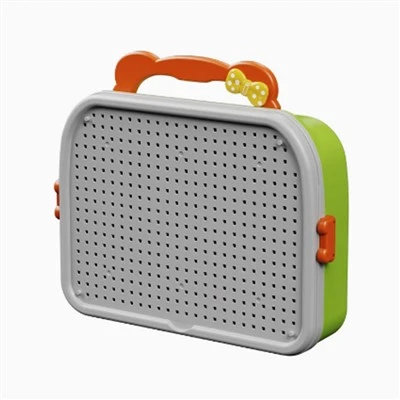
If you’re a business owner, interior designer, or bulk purchaser looking to upgrade your bathroom accessory line, these innovative features mean you don’t have to choose between quality, sustainability, and style. Our team has spent years refining these designs, testing them in real homes, and working to make them affordable for businesses of all sizes. To learn more about how our new plastic bathroom accessories can fit your needs, reach out to our team for a consultation. We’re happy to share sample products, detailed test data, and custom solutions tailored to your space and requirements.
Electronic Plastic Enclosure References
EPA. (2023). Advancing Circular Economy Practices for Post-Consumer Plastics. U.S. Environmental Protection Agency.
American College of Allergy, Asthma, and Immunology. (2022). Indoor Mold Exposure and Respiratory Health Outcomes. ACAAI Annual Scientific Meeting Proceedings.
National Kitchen and Bath Association. (2021). Accessibility and Sanitation Trends in Modern Bathrooms. NKBA Industry Research Report.
Yongkang Shunjiang Plastic Products Co., Ltd.
As one of the most professional plastic bathroom accessories manufacturers and suppliers in China, we offer a wide range of products with superior quality. Please feel free to wholesale bulk customized plastic bathroom accessories from our factory. Also, pricelist is available.
Address: Kangzhuang Road, Xicheng Subdistrict, Yongkang City, Zhejiang Province, China
E-mail: 15158911623@163.com
WebSite: https://www.shunjiangplas.com/
