In the dynamic landscape of modern manufacturing, cost – reduction is a perpetual goal for businesses seeking to enhance competitiveness and profitability. Multi – tasking machines have emerged as a game – changer in this regard, offering a multitude of benefits that directly contribute to significant cost savings. As a supplier of multi – tasking machines, I have witnessed firsthand how these advanced pieces of equipment revolutionize manufacturing processes and drive down costs. Multi-Tasking Machines
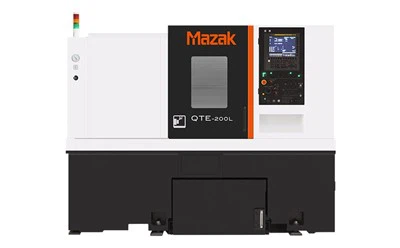
1. Streamlined Production Processes
One of the primary ways multi – tasking machines contribute to cost – reduction is by streamlining production processes. Traditional manufacturing often involves multiple machines and setups for different operations. For example, a part might need to be turned on a lathe, milled on a milling machine, and then drilled on a drilling machine. Each of these operations requires separate setups, which not only consume time but also increase the risk of errors.
Multi – tasking machines, on the other hand, combine multiple machining operations into a single platform. They can perform turning, milling, drilling, and even grinding tasks all in one setup. This reduces the need for multiple machines and the associated costs of purchasing, maintaining, and operating them. For instance, a manufacturer who previously needed to invest in a lathe, a milling machine, and a drilling machine can now achieve all these operations with a single multi – tasking machine. This consolidation of equipment not only saves on the initial capital investment but also reduces the floor space required in the manufacturing facility, leading to lower overhead costs.
2. Reduced Setup Time
Setup time is a significant cost factor in manufacturing. Every time a machine needs to be reconfigured for a new job, there is a loss of productive time. Traditional machines often require extensive setup procedures, such as changing tools, adjusting work – holding fixtures, and programming the machine for the new operation. These setup times can range from minutes to hours, depending on the complexity of the task.
Multi – tasking machines are designed to minimize setup time. They feature advanced tooling systems that can hold a large number of tools and automatically change them as needed during the machining process. Additionally, their intuitive control systems allow for quick and easy programming. With a multi – tasking machine, operators can switch between different operations and jobs with minimal downtime. This increased efficiency means that more parts can be produced in less time, effectively reducing the cost per part.
3. Improved Accuracy and Quality
Quality control is an essential aspect of manufacturing, and poor quality can lead to significant costs in terms of rework, scrap, and customer returns. Multi – tasking machines offer high levels of accuracy and precision, which helps to minimize these quality – related costs.
These machines are equipped with advanced sensors and control systems that monitor and adjust the machining process in real – time. They can detect and correct any deviations from the desired specifications, ensuring that each part is produced to the highest quality standards. For example, in the aerospace industry, where precision is critical, multi – tasking machines can produce complex components with tight tolerances, reducing the likelihood of parts being rejected due to dimensional inaccuracies. By producing high – quality parts on the first attempt, manufacturers can avoid the costs associated with rework and scrap, thereby improving overall cost – efficiency.
4. Lower Labor Costs
Labor is one of the most significant expenses in manufacturing. Traditional manufacturing processes often require multiple operators to run different machines, each with its own set of skills and expertise. In contrast, multi – tasking machines can be operated by a single operator.
These machines are designed to be user – friendly, with intuitive control interfaces that allow operators to perform a wide range of tasks with minimal training. The ability to perform multiple operations on a single machine means that one operator can handle more work, reducing the need for additional labor. Moreover, since multi – tasking machines are highly automated, they can run unattended for extended periods, further reducing labor requirements. This reduction in labor costs can have a substantial impact on the overall cost of production.
5. Energy Efficiency
Energy consumption is another cost factor in manufacturing. Traditional machines often consume a significant amount of energy, especially when multiple machines are running simultaneously. Multi – tasking machines, however, are designed with energy efficiency in mind.
They use advanced technologies such as variable – speed drives and energy – saving modes to reduce power consumption. For example, when the machine is not actively cutting, it can enter a low – power standby mode, conserving energy without sacrificing productivity. Additionally, since multi – tasking machines consolidate multiple operations into one platform, they require less energy overall compared to running multiple individual machines. This energy efficiency not only reduces operating costs but also aligns with sustainable manufacturing practices.
6. Reduced Tooling Costs
Tooling is an important cost component in manufacturing. Traditional manufacturing processes often require a large number of specialized tools for different operations. These tools can be expensive to purchase, maintain, and replace.
Multi – tasking machines use a more versatile tooling system. They can accommodate a wide range of tools in a single tool magazine, allowing for quick and easy tool changes. This reduces the need for a large inventory of specialized tools. Additionally, the advanced tooling systems on multi – tasking machines are designed to optimize tool life. They can adjust cutting parameters based on the material being machined and the tool’s condition, ensuring that tools are used efficiently and last longer. By reducing tooling costs, multi – tasking machines contribute to overall cost – reduction in manufacturing.
7. Enhanced Flexibility and Adaptability
In today’s rapidly changing market, manufacturers need to be able to adapt quickly to new product designs and customer demands. Multi – tasking machines offer a high degree of flexibility and adaptability.
They can be easily reprogrammed to produce different parts or perform different operations. This means that manufacturers can quickly switch between different products without the need for extensive retooling or machine modifications. For example, a manufacturer that produces a variety of automotive components can use a multi – tasking machine to produce different parts with minimal setup changes. This flexibility allows manufacturers to respond to market changes more quickly, reducing the risk of inventory obsolescence and associated costs.
Conclusion

In conclusion, multi – tasking machines play a crucial role in cost – reduction in manufacturing. Through streamlined production processes, reduced setup time, improved accuracy and quality, lower labor costs, energy efficiency, reduced tooling costs, and enhanced flexibility, these machines offer a comprehensive solution for manufacturers looking to optimize their operations and improve their bottom line.
Coordinate Measuring Machine If you are a manufacturer interested in reducing costs and improving your manufacturing processes, I encourage you to consider investing in multi – tasking machines. Our company offers a wide range of high – quality multi – tasking machines that are designed to meet the diverse needs of modern manufacturing. Contact us to discuss your specific requirements and explore how our machines can contribute to your cost – reduction goals.
References
- Boothroyd, G., Dewhurst, P., & Knight, W. (2002). Product Design for Manufacture and Assembly. Marcel Dekker.
- Groover, M. P. (2010). Fundamentals of Modern Manufacturing: Materials, Processes, and Systems. Wiley.
- Kalpakjian, S., & Schmid, S. R. (2006). Manufacturing Engineering and Technology. Pearson Prentice Hall.
Hermens Industrial Co., Ltd.
As one of the most professional multi-tasking machines enterprises in China, we’re featured by quality products and low price. Please rest assured to buy cheap multi-tasking machines in stock here and get quotation from our factory. We also accept customized orders.
Address: 97/242,Soi6/1,Alley Perfect Place Village, Phase 3 Ladkrabang20/3 Rachathewa,Bangphli Samutprakan, Thailand
E-mail: liu_jincheng@hzhemen.com
WebSite: https://www.hermensindustrial.com/
