As a supplier of IP65 power distribution boxes, I often encounter inquiries from customers about the ease of transporting these essential electrical components. In this blog post, I’ll share my insights based on years of experience in the industry, exploring the factors that make IP65 power distribution boxes either easy or challenging to transport. IP65 Power Distribution Box

Understanding IP65 Power Distribution Boxes
Before delving into the transportation aspect, it’s crucial to understand what IP65 power distribution boxes are. The IP (Ingress Protection) rating system is used to define the degree of protection provided by an enclosure against the intrusion of solid objects and water. An IP65 rating means that the box is completely protected against dust ingress (the ‘6’ in the rating) and protected against low-pressure water jets from any direction (the ‘5’). These boxes are commonly used in outdoor and industrial settings where they need to withstand harsh environmental conditions.
Factors Affecting the Transportability of IP65 Power Distribution Boxes
1. Size and Weight
One of the primary factors that determine the ease of transporting IP65 power distribution boxes is their size and weight. These boxes come in a variety of sizes, from small units that can be easily carried by one person to large, heavy-duty models that require specialized equipment for handling.
Smaller IP65 power distribution boxes, typically used for residential or small commercial applications, are relatively easy to transport. They can be carried by hand or loaded into a small vehicle without much difficulty. For example, a compact IP65 box with dimensions of around 300mm x 200mm x 150mm and a weight of less than 10 kilograms can be easily transported in a car or a small van.
On the other hand, larger IP65 power distribution boxes used in industrial settings can be quite heavy and bulky. These boxes may have dimensions of several meters and weigh hundreds of kilograms. Transporting such large boxes requires specialized equipment such as forklifts, cranes, or flatbed trucks. Additionally, proper securing and handling procedures must be followed to ensure the safety of the box and the transportation personnel.
2. Packaging
Proper packaging is essential for the safe transportation of IP65 power distribution boxes. The packaging not only protects the box from damage during transit but also makes it easier to handle and transport.
Most IP65 power distribution boxes are shipped in sturdy cardboard boxes or wooden crates. The packaging should be designed to provide adequate cushioning and support to prevent the box from shifting or being damaged during transportation. For example, foam inserts or bubble wrap can be used to protect the box from impact and vibration.
In addition to the primary packaging, it’s also important to label the box clearly with information such as the product name, model number, weight, and handling instructions. This helps the transportation personnel to handle the box correctly and ensures that it is delivered to the destination in good condition.
3. Transportation Mode
The choice of transportation mode also plays a significant role in the ease of transporting IP65 power distribution boxes. Different transportation modes have their own advantages and limitations, and the selection depends on factors such as the distance, the size and weight of the box, and the urgency of the delivery.
For short-distance transportation, road transport is often the most convenient option. Smaller IP65 power distribution boxes can be transported in a car or a small van, while larger boxes may require a truck. Road transport offers flexibility and allows for direct delivery to the destination. However, it may be subject to traffic congestion and road conditions, which can affect the delivery time.
For long-distance transportation or international shipments, air or sea transport may be more suitable. Air transport is fast and reliable, but it can be expensive, especially for large or heavy boxes. Sea transport is more cost-effective for large shipments, but it has a longer transit time. When using air or sea transport, it’s important to ensure that the box is properly packaged and labeled to comply with the transportation regulations.
4. Handling and Installation Requirements
Another factor to consider when transporting IP65 power distribution boxes is the handling and installation requirements at the destination. Some boxes may require specialized tools or equipment for installation, and it’s important to ensure that the necessary resources are available at the destination.
For example, some large IP65 power distribution boxes may need to be installed on a concrete foundation or a metal frame. This requires the use of heavy machinery such as cranes or forklifts. Additionally, the installation process may require the assistance of trained electricians or technicians.
It’s important to communicate the handling and installation requirements to the customer in advance to ensure that they are prepared to receive and install the box. This can help to avoid delays and ensure that the box is installed correctly and safely.
Advantages of IP65 Power Distribution Boxes in Terms of Transportability
Despite the challenges associated with transporting IP65 power distribution boxes, there are also several advantages that make them relatively easy to transport.
1. Durability
IP65 power distribution boxes are designed to be durable and withstand harsh environmental conditions. This means that they are less likely to be damaged during transportation compared to other types of electrical enclosures. The robust construction of these boxes ensures that they can withstand impact, vibration, and moisture, which are common hazards during transportation.
2. Standardization
Most IP65 power distribution boxes are manufactured to industry standards, which means that they have consistent dimensions and specifications. This makes it easier to package and transport these boxes, as they can be easily stacked and secured in a container or a truck. Standardization also ensures that the boxes are compatible with a wide range of installation methods and accessories, which simplifies the installation process at the destination.
3. Modularity
Many IP65 power distribution boxes are designed to be modular, which means that they can be easily assembled and disassembled. This makes it easier to transport these boxes, especially for large or complex installations. Modular boxes can be broken down into smaller components for transportation and then reassembled at the destination, reducing the overall size and weight of the shipment.
Conclusion
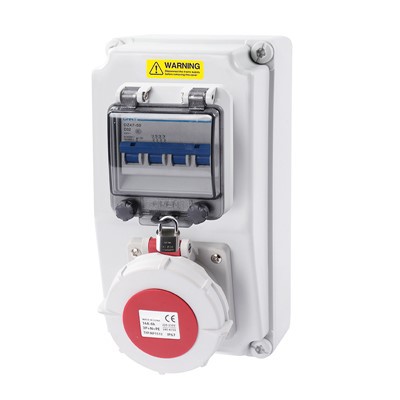
In conclusion, the ease of transporting IP65 power distribution boxes depends on several factors, including the size and weight of the box, the packaging, the transportation mode, and the handling and installation requirements. While larger and heavier boxes may present some challenges, the durability, standardization, and modularity of these boxes make them relatively easy to transport.
125A Distribution Box As a supplier of IP65 power distribution boxes, I am committed to providing high-quality products and excellent customer service. If you have any questions or need assistance with transporting IP65 power distribution boxes, please don’t hesitate to contact me. I would be happy to discuss your specific requirements and provide you with a customized solution.
References
- International Electrotechnical Commission (IEC) 60529: Degrees of protection provided by enclosures (IP Code)
- National Electrical Manufacturers Association (NEMA) Standards Publication 250: Enclosures for Electrical Equipment (1000 Volts Maximum)
Apeks Electric Co., Ltd.
As one of the leading ip65 power distribution box manufacturers and suppliers in China, we also support custom service. With abundant experience, we warmly welcome you to wholesale high quality ip65 power distribution box from our factory. Welcome to view our website for more information.
Address: No.2 Yuyao Rd, Yuxin, Nanhu District, Jiaxing, China
E-mail: kevin@apekselectric.com
WebSite: https://www.powerdistros.com/
