If you’ve ever looked into grabbing a CO₂ recovery device for your brewery, greenhouse, or food processing plant, you know not all units are built the same. I’ve been in the CO₂ recovery game for 8 years now, and I can’t tell you how many times folks have come to me with a unit that was supposed to “do the job” — only to have it break down in 18 months, waste way more CO₂ than it saves, or cost way more to run than it’s worth. That’s why, for anyone shopping around, the quality standards for these devices aren’t just “nice to have” — they’re make-or-break for your bottom line. Let me break down what actually matters, no fancy jargon, just real stuff I’ve seen work and not work. CO₂ Recovery Device
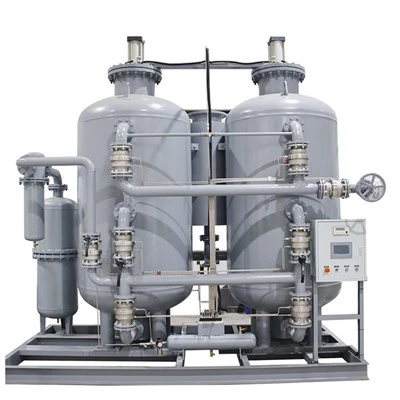
First off, let’s get one thing straight: CO₂ recovery devices don’t just “catch” CO₂ — they purify it enough to reuse it, right? If your unit spits out CO₂ that’s full of contaminants, it’s useless. For context, when you’re recovering CO₂ from, say, a fermentation tank, that gas has a bunch of junk in it: ethanol, bacteria, leftover sugars, maybe even dirt from piping. So the first big quality standard is the purification efficiency — and I’m not talking about numbers on a spec sheet. A good device should hit at least 99.9% purity in the final CO₂. Why? Because if you’re using it for carbonating beer, that number’s non-negotiable — even a tiny bit of sulfur or ethanol will mess with the flavor. For greenhouses, it’s similar: impure CO₂ can stress plants, leading to lower yields. I’ve seen cut-rate units that only get to 95% purity — sure, they’re cheaper upfront, but you end up wasting half the gas because it doesn’t meet your needs. And here’s a trick I learned early: ask for a third-party test of the purification output, not just the manufacturer’s claims. A lot of shady suppliers fudge those numbers to make their devices look better.
Next up, energy efficiency. These devices run 24/7 for most operations, so your electric bill is going to be one of your biggest costs. A high-quality CO₂ recovery unit won’t guzzle power to get the job done. The key here is the carbon footprint of the unit itself, not just the CO₂ it recovers. Let’s do a quick real example: a brewery I worked with in Portland had a old unit that used 12 kWh per kg of recovered CO₂. We swapped it for a better model that uses 5 kWh per kg — and that saved them $14,000 a year on electricity alone. That’s not pocket change. So look for units that use smart heat exchange systems — they recycle the heat from the purification process instead of wasting it. Also, check the compressor type: oil-free compressors are better, they last longer and don’t add contaminants, but they’re more energy efficient than old oil-lubed ones. Pro tip: ask for the unit’s specific energy consumption (SEC) — anything under 6 kWh/kg is solid, anything over 8 is going to eat into your profits fast.
Durability is another big one, and it’s tied to the materials the unit is made of. CO₂ is a pretty reactive gas, especially when it’s under high pressure (which it has to be to store and reuse). So cheap materials like regular steel will rust over time, and rust gets into the gas and clogs up the system. Top-tier units use stainless steel for all the parts that touch CO₂ — pipes, tanks, purification filters. Some even use carbon fiber for the high-pressure lines, which is lighter and doesn’t corrode. I’ve seen a unit made with regular steel last 3 years before we had to replace half the piping; one of our units, all stainless, has been running 10 years with zero major repairs. That adds up. Also, check the build quality of the internal components: filters, valves, pressure gauges. Should these break every 6 months, even the best material won’t save your unit. A good rule of thumb: if the supplier can’t tell you what grade of stainless steel they use (look for 304 or 316, which are food-safe), walk away. That’s a red flag they cut corners on materials.
Then there’s operational reliability — can the unit run without constant babysitting? A lot of small business owners don’t have a team of engineers on staff, so a device that needs daily tuning is a nightmare. High-quality CO₂ recovery units are automated, with sensors that adjust pressure and flow in real time. No shutting down the line to tweak a valve every hour. Also, they should have built-in alarms for issues like low pressure or filter clogs — so you get a text or an alert before the unit breaks. I once had a client who bought a cheap unit that had no alarms; it ran for 3 days with a clogged filter, and when they finally noticed, it had ruined 20 barrels of beer. That’s a $40,000 mistake. A good unit will have a user-friendly control panel, maybe even remote monitoring, so you can check on it from your phone. If the supplier is bragging about how “customizable” the unit is but can’t explain the basic automation, that’s not a quality device — that’s a headache waiting to happen.
Wait, also, compatibility with your existing setup. A lot of people skip this and end up buying a unit that doesn’t fit their fermentation tanks or piping. Let’s say you’re a craft brewery with 10 fermentation tanks — a good supplier will send someone to measure the tank outlets, check your current CO₂ lines, and make sure the device connects without modifications. Some suppliers sell one-size-fits-all units, and you’ll spend thousands on adapters and rewiring to make it work. I’ve seen that happen too: a client bought a unit from a big online retailer, and it didn’t match their tank size, so they had to cut a hole in their fermentation room wall to fit it. Total waste. So ask the supplier about compatibility checks — do they do on-site measurements? Will they help integrate it with your current system? If not, that’s a sign their devices are built for “one size” and not for real customers.
And don’t forget after-sales support. This is something that’s easy to overlook when you’re focused on the specs, but it’s make-or-break. If your unit goes down at 2 a.m. on a Sunday, who are you gonna call? A good supplier will have a 24/7 support line, local technicians who can fix it fast, and a stock of replacement parts on hand. I’ve had a client whose unit had a compressor fail on a Saturday night — another supplier would’ve made them wait 5 days for a part. We had a tech there by 9 a.m. on Sunday, and they were back up by noon. That saved them $8,000 in lost beer sales. Also, check the warranty: a quality unit should have at least a 2-year parts and labor warranty, and some even offer 5-year warranties on the compressor. If the warranty is only 1 year, that means the supplier doesn’t stand behind their build — and you shouldn’t either.
Now, let’s talk about a few myths I hear all the time. First, “bigger is better.” No, not really. If you only need 500 kg of CO₂ a month, don’t buy a 2,000 kg unit — it’ll be less energy efficient, cost more upfront, and be harder to maintain. A good supplier will size the unit to your actual usage, not just push the biggest one they make. Second, “all CO₂ is the same.” Again, no — if you’re using it for food and beverage, it needs to meet food-grade standards. If you’re using it for greenhouses, it might have different requirements, but still, it can’t have toxic contaminants. Cutting corners there isn’t just bad for your device — it’s bad for your product or crops.
I get it, shopping for a CO₂ recovery device can feel overwhelming. There are so many options, and it’s easy to just go for the cheapest one. But trust me, over the long run, a quality unit saves you way more than it costs. You’re not just buying a machine — you’re reducing waste, lowering your energy bills, and even making your product better (no more off-flavors from impure CO₂).

If you’re ready to stop wasting money on a subpar CO₂ recovery unit and want to talk through what works for your specific setup — whether you’re a brewery, a greenhouse, or a food processing plant — hit us up. We’ll walk you through the quality standards, do a quick on-site check of your space, and help you find a unit that doesn’t break the bank or break down on you. No sales pressure, just real advice from someone who’s been in the trenches with this stuff.
CO₂ Recovery Device References:
- American Society of Brewing Chemists. (2021). Guidelines for CO₂ Recovery and Purification in Craft Breweries. ASBC Journal.
- International Organization for Standardization. (2019). ISO 14064: Greenhouse Gas Quantification and Reporting. ISO.
- Food and Agriculture Organization of the United Nations. (2020). CO₂ Recovery Technologies for Commercial Greenhouses. FAO Agricultural Engineering Bulletin.
- U.S. Department of Energy. (2022). Energy Efficiency Guidelines for Industrial CO₂ Compression Systems. DOE Industrial Technologies Program.
Xinxiang Jiale Intelligent Equipment Co., Ltd.
As one of the most professional co₂ recovery device manufacturers and suppliers in China, we’re featured by quality products and good service. Please rest assured to buy durable co₂ recovery device for sale here from our factory. We also accept customized orders.
Address: No.3913, 9th Floor, Unit 3, East Commercial and Office Complex, Baolong City Plaza, Hongqi District, Xinxiang City, Henan Province, China
E-mail: cc2397410@gmail.com
WebSite: https://www.jiale-asu.com/
